Braces are often talked about like one dramatic before-and-after moment. But the truth is, braces work in quieter ways. A tiny shift you cannot see yet. A bite that starts fitting together better. A photo where your smile looks a little more confident than it did last month.
At Nu Dentistry Missouri, we love braces for one simple reason: they create steady, reliable change. Not overnight. Not magically. But in a way you can trust, especially when you know what to expect and how to take care of them.
This article is for the person who is excited… and also a little nervous. The teen who is already thinking about lunch at school. The adult who keeps wondering if braces will “feel weird” at work meetings. The parent who wants the process to go smoothly without constant stress.
Let’s talk about braces in a real, helpful way.
Why braces are still a top choice
Braces have been around for a long time, and they are still one of the most effective ways to straighten teeth and improve bite alignment.
Braces can help with:
- Crowded teeth that are hard to clean properly.
- Gaps that make teeth look uneven or cause food to pack.
- Overbites, underbites, and crossbites that affect chewing and comfort.
- Jaw strain and uneven wear that can sneak up over time.
And here is the part people forget: braces are not only about a straight smile. They are often about making your teeth work better together. That can mean easier chewing, improved hygiene, and fewer “one tooth takes all the pressure” problems later.
The “brace face” era is over
If your brain is still picturing bulky metal brackets from decades ago, update the image.
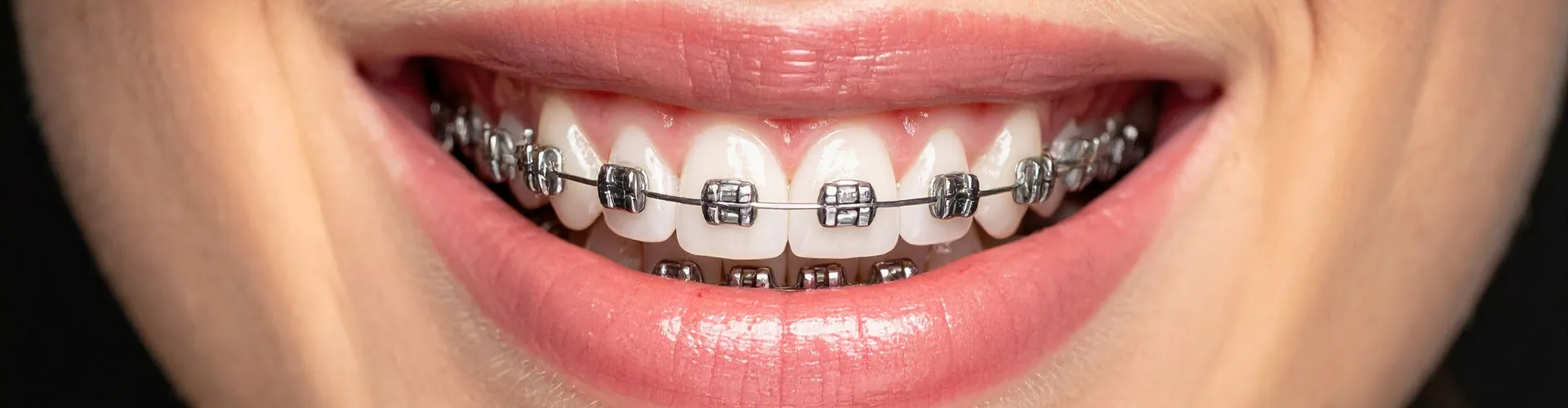
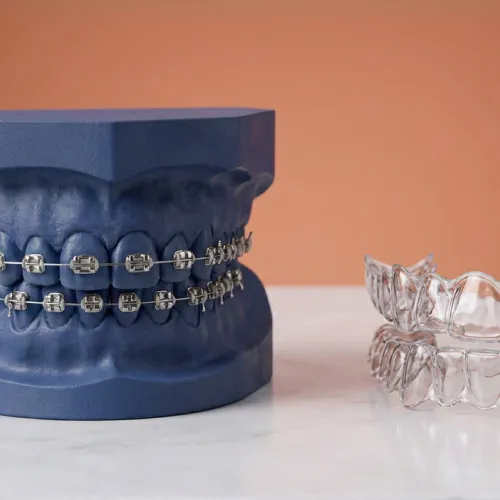
Modern braces are more comfortable, more streamlined, and more customizable than most people expect. Depending on your needs, your orthodontic plan may include:
- Metal braces (strong, reliable, and great for complex movement)
- Ceramic braces (blend in more with tooth color)
- Different wire types that can feel smoother and more flexible over time
No matter the style, the goal is the same: steady tooth movement with a plan that protects your enamel and your gums.
What actually makes braces “work”
Here’s the simplest explanation that is still accurate:
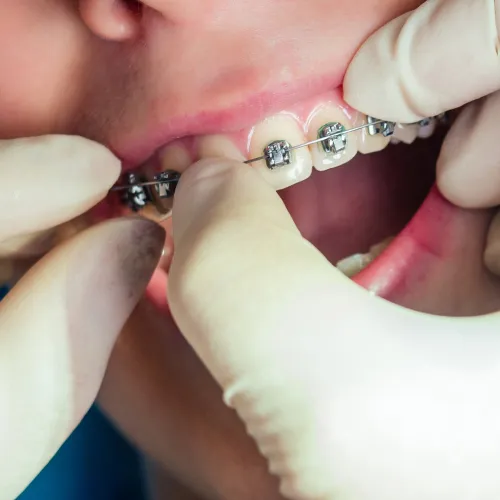
Braces apply gentle, consistent pressure that guides teeth into better positions over time. That pressure is adjusted during your visits, and your bone and gums respond by remodeling around the new tooth position.
That is why braces are not a one-and-done thing. They are a process. And the process works best when you do the small things consistently.
The daily habits that make a big difference
If you want braces to feel easier and work smoother, focus on these:
- Brush carefully around brackets and the gumline.
- Floss every day (yes, even when it is annoying).
- Keep your appointments so your treatment stays on track.
- Wear elastics as instructed if they are part of your plan.
- Protect your braces by avoiding the foods that cause breakage.
Think of it like this: braces do the heavy lifting, but your habits keep the progress clean, comfortable, and moving forward.
How long do braces take to work for most people?
Most people wear braces for about 18 to 24 months, but treatment can be shorter or longer depending on what your teeth need.
Here are the biggest factors that affect braces timeline:
- How crowded your teeth are at the start.
- Whether your bite needs correction (bite changes can take time).
- How your teeth respond to movement (everyone is a little different).
- How consistent you are with instructions, especially elastics.
- How often brackets break and how quickly repairs happen.
Some people start seeing noticeable changes within a few months. That early shift is exciting, but it is not the finish line. The last phase of treatment often focuses on fine-tuning the bite and alignment so your results look good and function well.
Quick reality check: the goal is not “fast braces.” The goal is braces done right, with results that last.
Do braces hurt, and how long does the soreness last?
Braces do not usually feel painful in a sharp, scary way. Most people describe the discomfort as pressure or soreness, especially after:
- getting braces placed
- adjustments
- switching wires
- starting elastics
What soreness typically feels like
- Your teeth may feel tender when you bite.
- Your mouth may feel “tight.”
- Your cheeks may get irritated while they adjust to brackets.
How long it usually lasts
For most people, soreness lasts about 2 to 4 days, sometimes up to a week when braces are first placed. After that, adjustments tend to feel milder because your mouth knows the routine.
What helps
Here are braces-friendly ways to get comfortable:
If pain feels severe, or you have a wire poking or a bracket that is cutting your cheek, that is not something you should “tough out.” Call your dental team so it can be fixed quickly.
What foods should you avoid with braces?
Food does not have to become boring with braces, but some foods can cause breakage, bent wires, or stuck debris that is hard to clean.
Here’s the easiest way to think about it:
Avoid foods that are hard, sticky, or require tearing with your front teeth.
Foods to skip (or be very careful with)
- Hard candy
- Ice (this one breaks brackets more often than people think)
- Popcorn kernels
- Nuts (especially whole, hard nuts)
- Chewy candy like caramels, taffy, gummy candy
- Crunchy chips that splinter sharply
- Bagels and crusty bread if you bite straight into them
- Corn on the cob if you bite it normally
Braces-friendly swaps
You do not have to give up your favorites, you just need strategy:
- Cut apples into slices instead of biting into them.
- Choose softer breads or tear pieces off rather than biting.
- Pick nut butters instead of whole nuts.
- Cook vegetables a bit more until tender.
- If you want popcorn, be cautious and avoid the hard pieces.
And here is a big one: chew slowly. It sounds simple, but it saves brackets.
A quick hygiene checklist that keeps braces stress low
Braces create more places for plaque to hide, so your routine matters more than ever.
Daily must-dos:
- Brush after meals when possible.
- Spend extra time around brackets and the gumline.
- Floss once a day (floss threaders or special floss can help).
- Rinse if you cannot brush right away.
Why this matters: With braces, plaque can leave behind marks around brackets if it sits too long. Good hygiene helps your teeth look great when the braces come off, not just straighter.
The finish line is not removal day, it is retention
When braces come off, your teeth have memory. They can shift if they are not held in place while everything stabilizes.
That is where retainers come in.
Wearing your retainer as instructed is what protects your braces results. If you want your smile to stay aligned long-term, retention is not optional. It is the final phase of treatment.
Ready to talk braces with Nu Dentistry Missouri?
Braces are a commitment, but they should not feel confusing or intimidating. With the right plan and the right support, they become part of your routine, and then one day you realize your smile has changed more than you expected.
If you are considering braces for yourself or your child, schedule an appointment with Nu Dentistry Missouri. We will talk through your goals, evaluate your teeth and bite, and help you understand your best options for a confident, healthy smile.


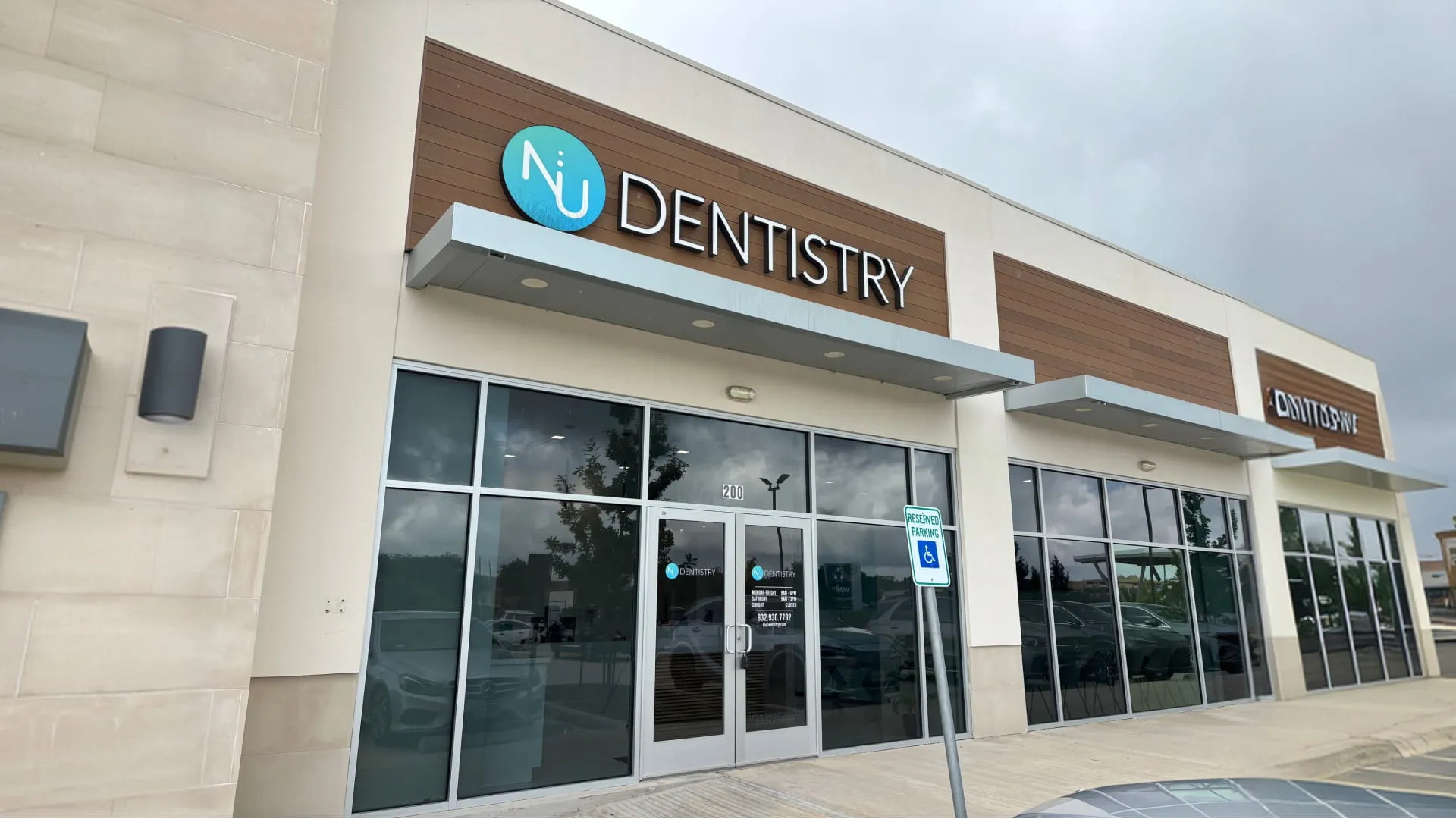

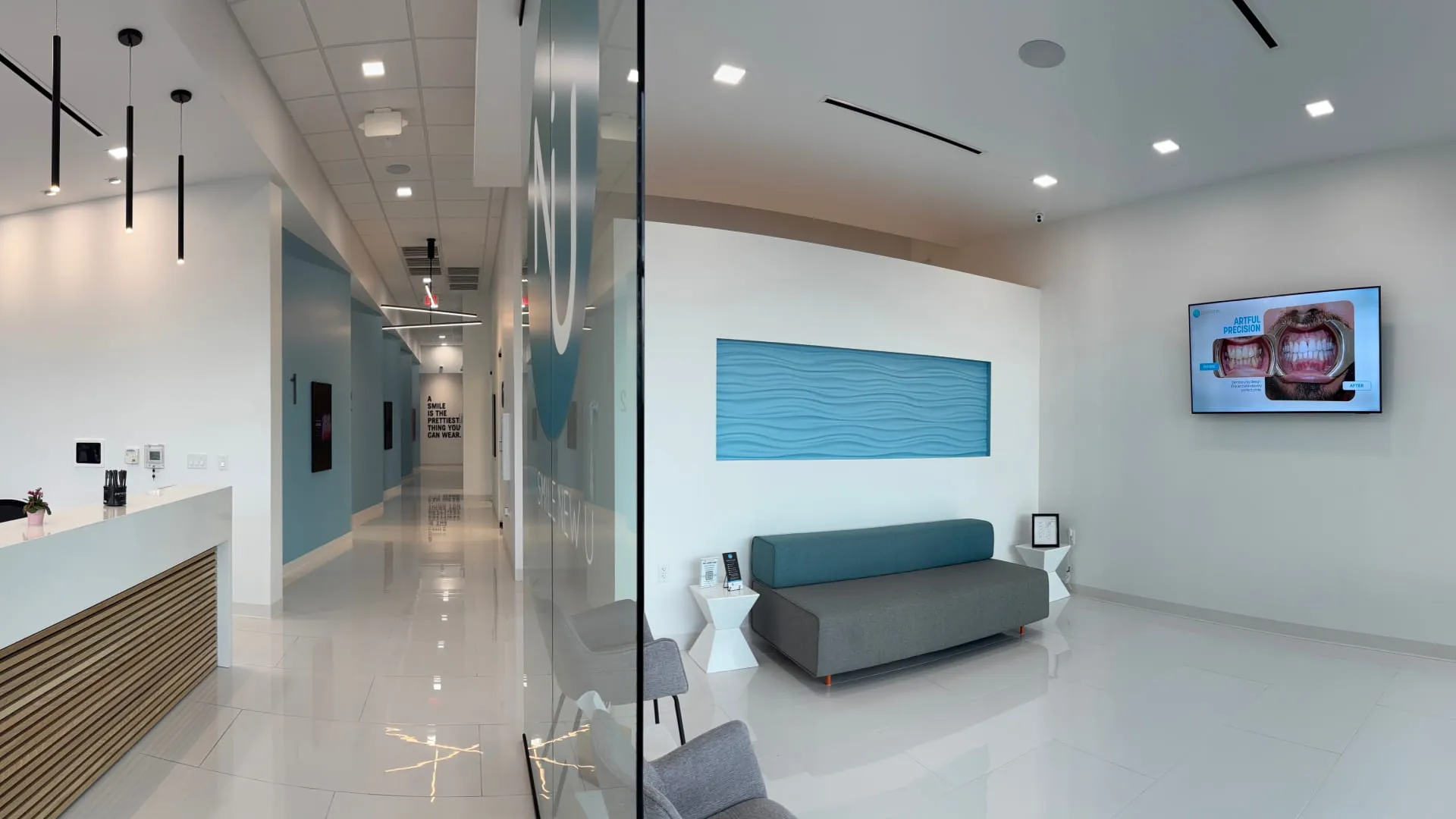

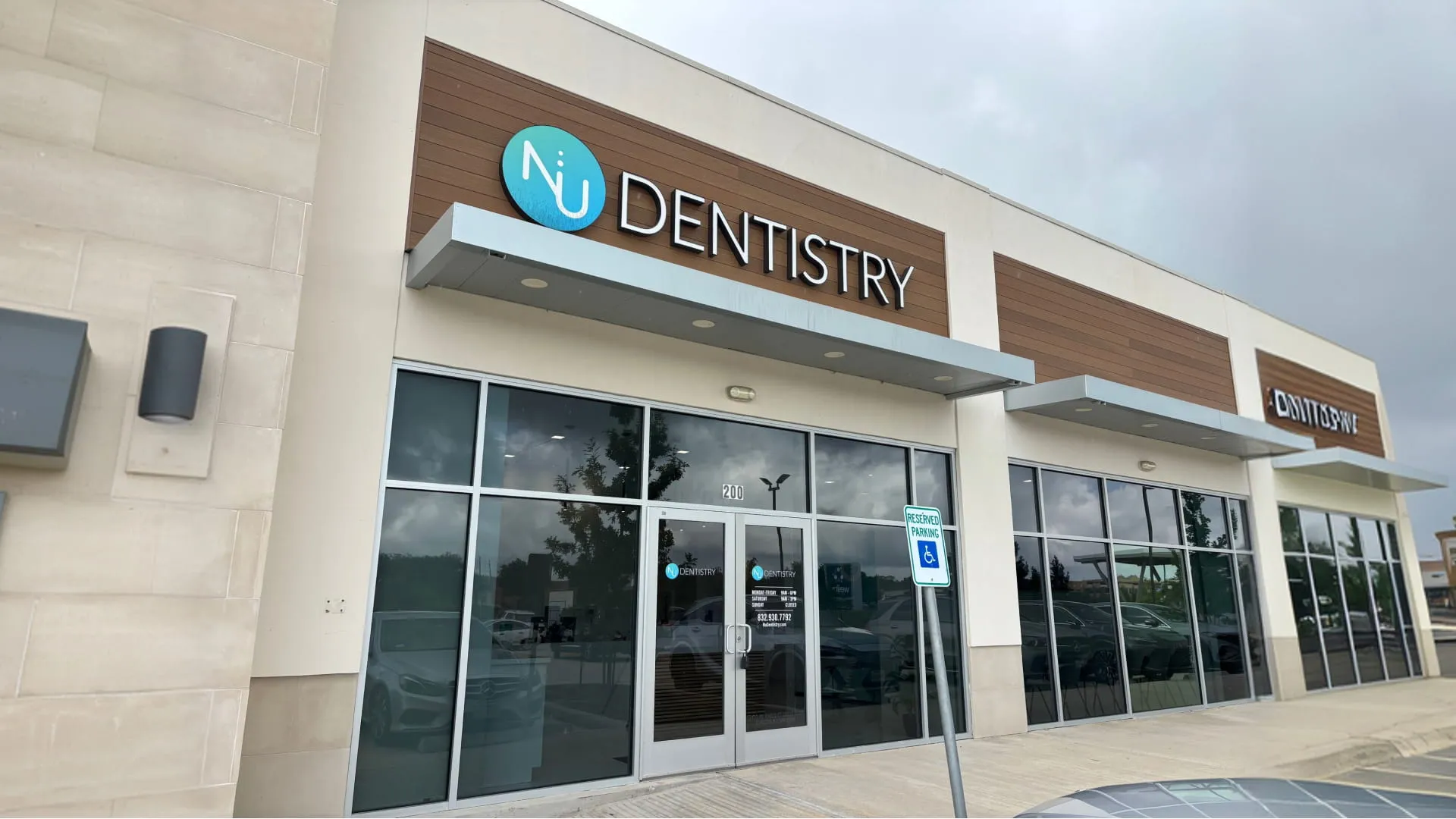


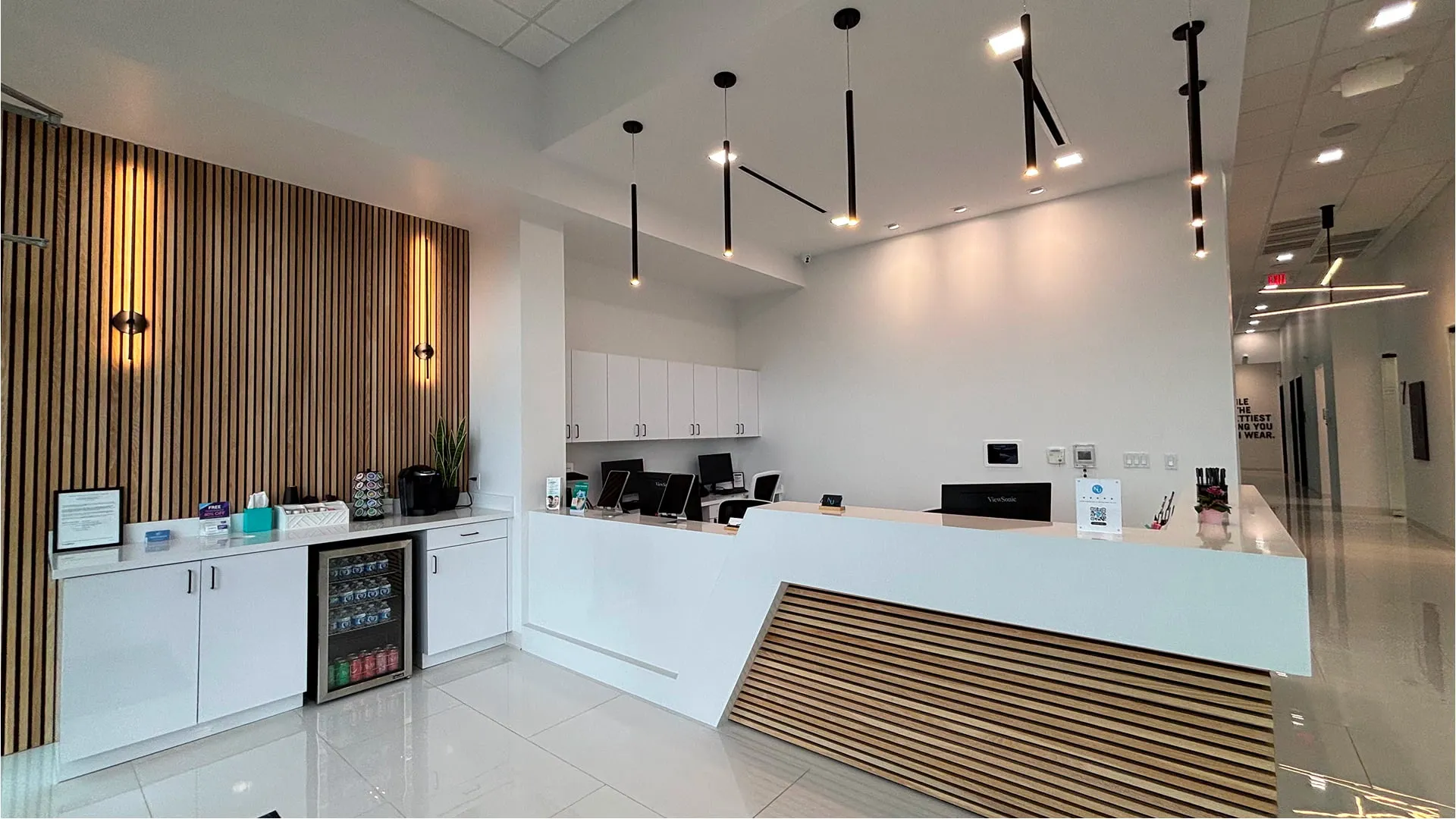









CARING DENTISTS Missouri City, TX
OUR SOCIALS
Check us out and follow our accounts on the following social media platforms....