When most people think about braces, they picture straighter teeth and a more confident smile. And yes, that is a big part of the story. But braces do far more than improve appearances.
They influence how your teeth function, how your jaw moves, how evenly your bite comes together, and even how your face develops and ages over time. In many ways, braces are not just a cosmetic treatment. They are a foundational investment in your overall oral health.
At Nu Dentistry Missouri, we often meet patients who are surprised by how much orthodontic treatment can impact their comfort, confidence, and long term dental stability. Some come in because they want straighter teeth. Others arrive because they struggle with jaw pain, worn enamel, or difficulty chewing. Many have never been told that these issues may be connected.
This article takes a broader look at what braces really do, who they can help, and why orthodontic treatment is often about much more than looks.
Why tooth alignment matters more than you think
Teeth are meant to work together as a system. When they are properly aligned, biting and chewing forces are distributed evenly. When alignment is off, certain teeth carry more pressure than they should.
Over time, this imbalance can contribute to:
- Premature enamel wear
- Chipped or cracked teeth
- Gum recession
- Tooth sensitivity
- Jaw discomfort or clicking
- Headaches related to bite strain
Even mild crowding or spacing can change how your bite functions. The effects may be subtle at first, but they tend to accumulate over the years.
Braces help guide teeth into positions that allow your bite to function more efficiently. This reduces uneven pressure and helps protect the long term health of your teeth and supporting structures.
Straightening teeth is not just about how your smile looks. It is also about how your mouth works.
The connection between braces and long term oral health
Well aligned teeth are easier to clean. This might sound simple, but it matters more than many people realize.
When teeth overlap or twist:
- Plaque collects more easily
- Flossing becomes difficult
- Certain areas are consistently missed
These hard to reach spaces become higher risk zones for cavities and gum disease.
By improving alignment, braces create a mouth that is easier to maintain. Brushing and flossing become more effective. This can translate into fewer dental problems over time.
Braces can also help create better spacing for restorative or cosmetic treatments such as crowns, veneers, or implants if those are ever needed in the future.
Think of orthodontics as creating a healthier foundation for everything else that may follow.
Can braces change the shape of my face or jaw over time?
This is one of the most common questions patients ask, and the short answer is yes, in certain ways.
Braces do not change your bone structure in the same way surgery would. However, they can influence how your jaw sits, how your teeth support your lips and cheeks, and how balanced your facial features appear.
Here are a few ways orthodontic treatment can affect facial appearance:
Improved jaw alignment: When the upper and lower jaws relate to each other more harmoniously, facial proportions often appear more balanced.
Better lip support: Teeth that are excessively flared forward or collapsed inward can change how the lips rest. Aligning teeth can create a more natural lip position.
Reduced strain around the mouth: Some people unconsciously tense facial muscles to compensate for bite issues. When the bite improves, facial tension may decrease.
Smoother profile: Correcting protrusion or retrusion of teeth can subtly affect side profile appearance.
These changes are usually gradual and natural looking. Most patients describe them as looking more balanced or refreshed rather than dramatically different.
It is important to remember that the primary goal of braces is function and health. The aesthetic benefits are a meaningful bonus.
What happens if my bite is off but my teeth look straight?
This situation is more common than many people realize.
You can have teeth that appear straight but still have a bite that does not come together properly. This is known as a malocclusion.
Some examples include:
When the bite is off, problems can develop even if the smile looks good.
Potential consequences include:
- Jaw joint stress
- Uneven tooth wear
- Chipping or fracturing
- Difficulty chewing
- Gum recession around overloaded teeth
Braces address both tooth position and bite relationship. That is why orthodontic treatment planning involves more than lining teeth up visually. Dentists evaluate how the jaws relate, how the teeth contact, and how forces are distributed.
In many cases, correcting the bite can prevent issues that would otherwise require extensive dental work later.
Straight looking teeth do not always equal a healthy bite.
The role braces play in jaw comfort
Jaw discomfort, clicking, popping, or soreness are often linked to how the bite fits together.
When teeth do not meet evenly:
- The jaw may shift to find a comfortable position
- Muscles may overwork to compensate
- The temporomandibular joints experience uneven pressure
Over time, this can contribute to chronic jaw tension and discomfort.
Braces can help create a more stable bite position, allowing the jaw to rest in a more natural alignment.
While orthodontics is not a guaranteed cure for every TMJ related issue, many patients notice improvement in jaw comfort once their bite is corrected.
Is it possible to get braces as an adult without anyone noticing?
Absolutely.
Orthodontic treatment has evolved significantly. Today, adults have several discreet options depending on their needs and preferences.
Common choices include:
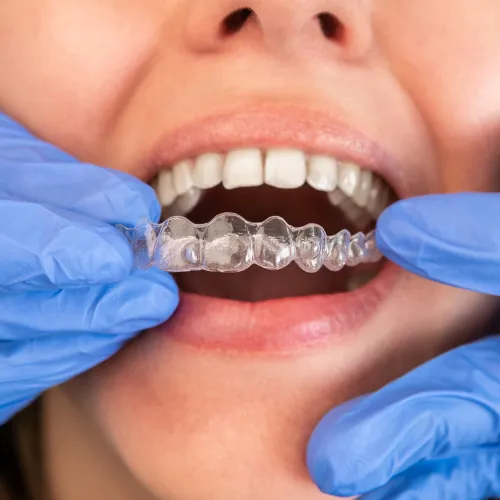
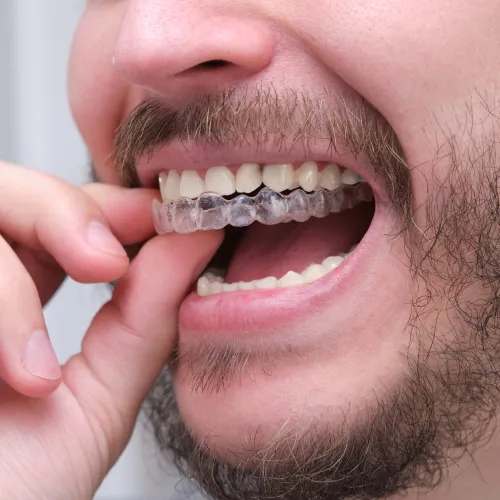
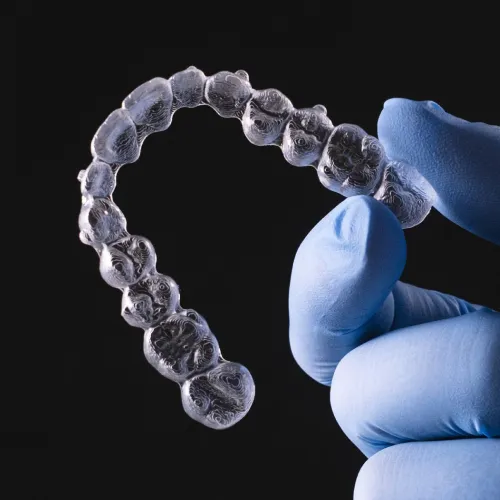
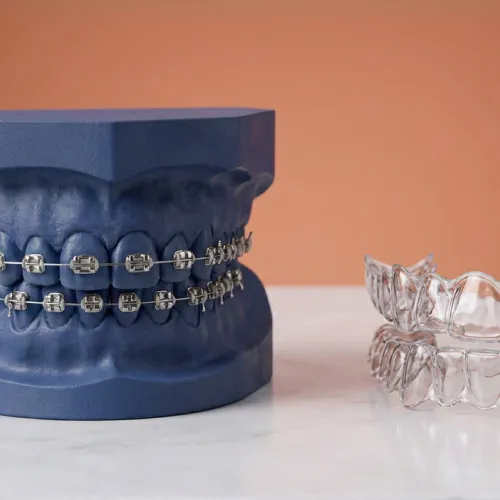
Clear aligners: These removable trays are nearly invisible and popular with adults who want flexibility and subtlety.
Clear braces: These use tooth colored or ceramic brackets that blend in with natural enamel.
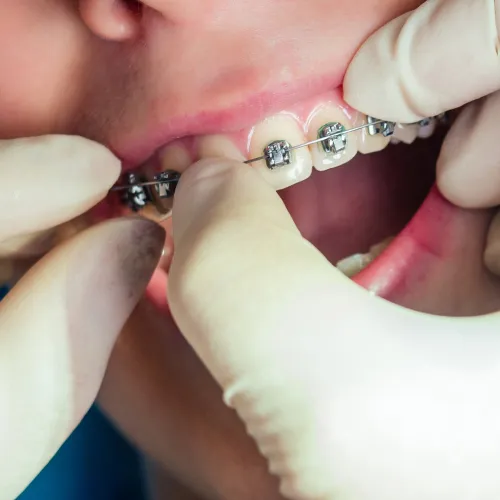
Low profile metal braces: Modern metal braces are smaller and more streamlined than older versions.
The best option depends on the complexity of your case, your lifestyle, and your treatment goals. During a consultation at Nu Dentistry Missouri, your dentist can help determine which approach fits you best.
Many adults are surprised by how comfortable and manageable orthodontic treatment feels compared to what they imagined.
Why timing still matters, even for adults
While braces work at any age, the biological environment does change over time.
In younger patients:
- Jaw growth can be guided
- Teeth tend to move slightly faster
In adults:
- Bone is fully developed
- Tooth movement is still predictable but may require careful planning
The good news is that adults can achieve excellent results. It simply means treatment is customized to their specific anatomy and goals.
What matters most is not age, but commitment to wearing appliances as directed and attending regular checkups.
The emotional side of orthodontic treatment
Many patients focus on physical outcomes, but there is also an emotional component.
People often report:
- Increased confidence when smiling
- Feeling more comfortable speaking or laughing
- Less self consciousness in photos
These changes may seem small, but they can influence social interactions, work life, and overall self perception.
Orthodontic treatment can quietly remove a background insecurity that someone has carried for years.
What to expect when starting braces
Beginning orthodontic treatment is a process, not a single appointment.
Typical steps include:
- Comprehensive exam and digital imaging
- Bite analysis and treatment planning
- Discussion of appliance options
- Placement of braces or delivery of aligners
- Periodic adjustments and monitoring
You may experience mild soreness after adjustments, especially in the first few days. This is normal and temporary.
Most patients adapt quickly and return to normal routines.
When should you consider an orthodontic evaluation?
You may benefit from an evaluation if you notice:
- Crowded or overlapping teeth
- Gaps that bother you
- Jaw discomfort or clicking
- Teeth that wear unevenly
- Difficulty chewing certain foods
- A bite that feels off
Even if you are unsure, a consultation provides clarity.
Sometimes the best time to start treatment is earlier than expected. Other times, reassurance is all that is needed.
A thoughtful approach to your smile
Braces are not about chasing perfection. They are about creating balance, comfort, and long term stability.
Every smile has its own story. Orthodontic treatment helps guide that story toward a healthier future.
If you have been wondering whether braces could benefit you or someone in your family, the team at Nu Dentistry Missouri would be happy to help.
Schedule an appointment today to explore your options and learn how orthodontic care can support both your smile and your oral health for years to come.
















CARING DENTISTS Missouri City, TX
OUR SOCIALS
Check us out and follow our accounts on the following social media platforms....