Invisalign is often about more than straightening teeth. For many people, it is about fitting orthodontic care into real life. Work schedules, meals, social plans, habits, and consistency all play a role in how smooth the experience feels and how strong the final results are. Invisalign is designed to be flexible, but that flexibility also means your day to day choices matter.
At Nu Dentistry Missouri, we see Invisalign as a partnership. The aligners do their job, but your lifestyle, habits, and commitment shape the outcome just as much. This article looks beyond the basics and explores what life with Invisalign is really like, what influences your progress, and how small daily decisions can make a meaningful difference.
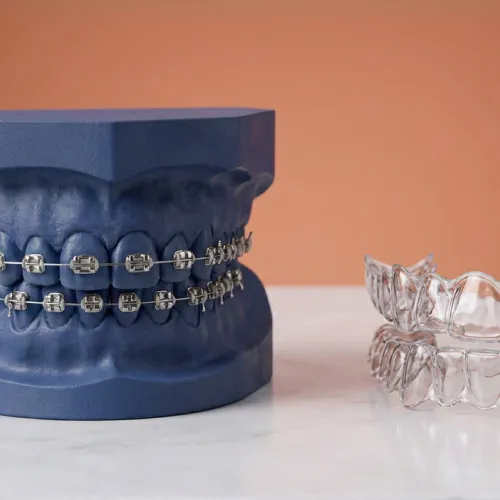
How does Invisalign fit into daily life compared to traditional braces?
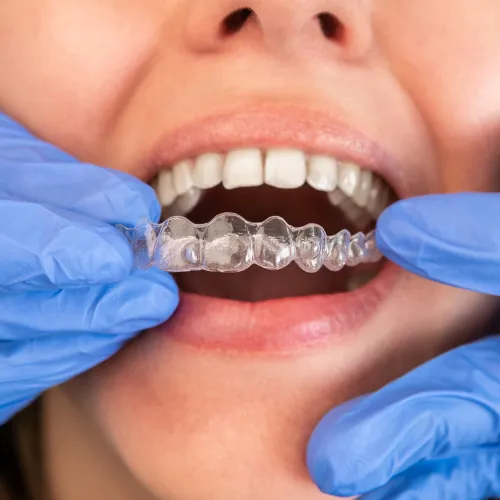
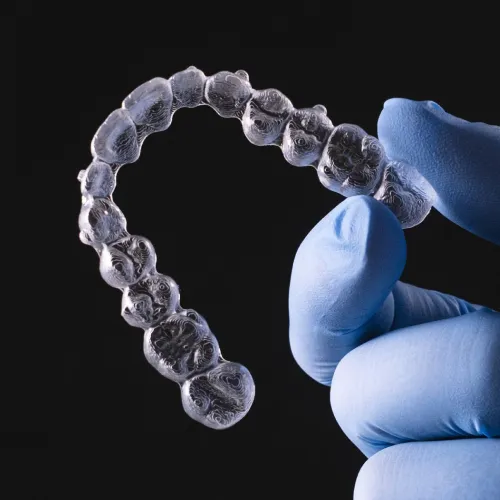
One of the biggest reasons people choose Invisalign is how naturally it blends into everyday routines. Unlike traditional braces, Invisalign aligners are removable, discreet, and designed to work quietly in the background of your life rather than dominating it.
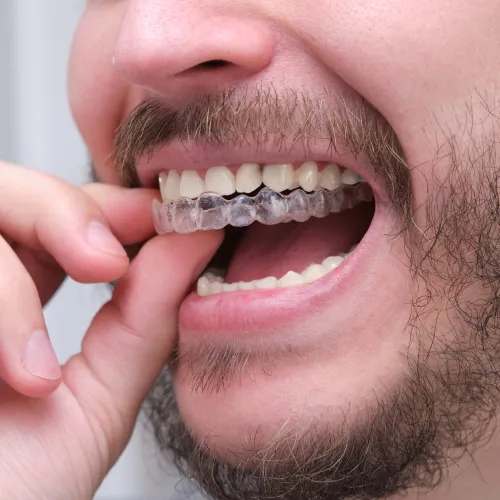
Eating and drinking feels more normal. With Invisalign, you remove your aligners before meals. This means no food restrictions, no worrying about popcorn kernels or sticky candy getting stuck in brackets, and no changes to the way food tastes. You can continue enjoying your favorite meals as long as you remember to put your aligners back in afterward.
Traditional braces require constant awareness of what you eat. Invisalign shifts that responsibility to timing instead. You eat normally, but you become more mindful of wear time.
Oral hygiene is easier to maintain. Brushing and flossing with braces can feel like a project. Invisalign allows you to clean your teeth the same way you always have. This makes it easier to keep gums healthy and reduce the risk of cavities during treatment.
Many patients find this aspect especially appealing if they have had dental work in the past or are prone to gum sensitivity.
Social and professional confidence often stays intact. Invisalign aligners are clear and subtle. Most people will not notice them unless you point them out. This matters in meetings, social settings, photos, and everyday conversations.
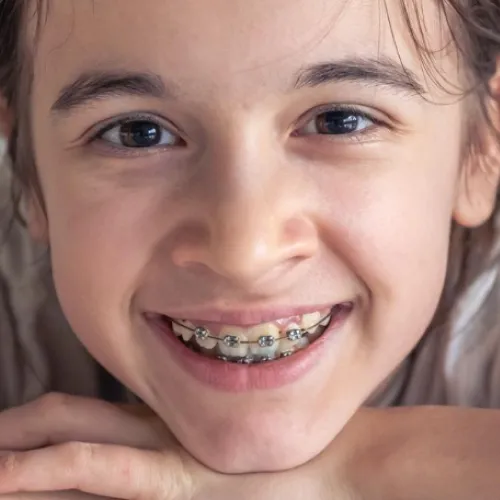
While braces are effective, they are visible and can sometimes make people self conscious. Invisalign allows you to go about your day without feeling like orthodontic treatment is the first thing people see.
Speech changes are usually minimal and temporary. Some patients notice a slight lisp during the first few days of wearing aligners. This typically fades as your mouth adjusts. Compared to braces, speech disruption tends to be shorter and less noticeable.
Daily responsibility increases, but so does flexibility. This is where Invisalign differs most. Because aligners are removable, success depends on wearing them as prescribed. For most patients, that means about 20 to 22 hours per day.
Invisalign fits into daily life beautifully, but it rewards consistency. The freedom it offers works best when paired with discipline.
What factors influence how well Invisalign works for different smiles?
No two smiles are exactly alike, and Invisalign results are shaped by more than just the aligners themselves. Several clinical and personal factors influence how smoothly treatment goes and how closely results match expectations.
The starting condition of your teeth and bite matters. Invisalign is highly effective for many orthodontic concerns, including crowding, spacing, mild to moderate bite issues, and alignment problems. More complex cases may still be excellent candidates, but they require careful planning and close monitoring.
The more complex the movement required, the more important compliance becomes. Skipping wear time or delaying aligner changes can slow progress.
Consistency with aligner wear plays a major role. This cannot be overstated. Invisalign only works when it is worn. Teeth move gradually, and aligners apply gentle pressure in precise stages. If aligners are left out too often or worn inconsistently, teeth may not track properly.
Patients who treat aligner wear as part of their daily routine tend to see smoother progress and fewer delays.
Regular check ins help keep treatment on track. Even though Invisalign is more flexible than braces, professional monitoring is still essential. Appointments allow your dentist to check alignment, ensure teeth are moving as planned, and make adjustments if needed.
Skipping visits or stretching out time between check ins can lead to issues that could have been corrected earlier.
Age and bone response can influence speed. Adults can absolutely have excellent Invisalign results. However, teeth may move at different rates depending on age and bone density. This does not mean treatment will not work, but timelines can vary slightly from person to person.
Use of attachments or refinements can affect the experience. Some Invisalign cases require small tooth colored attachments. These help aligners grip teeth more effectively and guide specific movements. While attachments may make aligners slightly more noticeable up close, they often improve accuracy and outcomes.
Refinements are also common. This simply means a new set of aligners is created to fine tune results near the end of treatment. It is a normal part of achieving a polished smile.
What habits can improve or slow down Invisalign treatment progress?
Daily habits can either support Invisalign treatment or quietly work against it. Small choices add up over weeks and months, shaping both comfort and results.
Habits that support successful Invisalign treatment
- Wearing aligners for the recommended hours every day. Consistency is the foundation of Invisalign success. Wearing aligners as directed keeps tooth movement predictable and reduces the need for extensions.
- Sticking to aligner change schedules. Switching aligners on time helps maintain momentum. Delaying changes can slow progress, while changing too early can cause discomfort or improper movement.
- Practicing good oral hygiene before reinserting aligners. Brushing after meals before putting aligners back in helps prevent plaque buildup, staining, and odor.
- Cleaning aligners properly. Rinsing aligners regularly and cleaning them gently keeps them clear and comfortable. Hot water should be avoided, as it can warp the plastic.
- Using chewies or aligner seating tools if recommended. These help aligners fit snugly and ensure teeth are engaging properly with each tray.
Habits that can slow treatment or cause issues
- Leaving aligners out for long periods. Frequent extended breaks can cause teeth to shift unpredictably, making aligners feel tight or uncomfortable when reinserted.
- Drinking sugary or colored beverages with aligners in. This can lead to staining, decay, and discoloration of both teeth and aligners.
- Skipping dental appointments. Missed check ins can allow small issues to turn into bigger setbacks.
- Forgetting retainers after treatment. Life with Invisalign does not end when aligners come off. Retainers are essential for maintaining results. Skipping this step can undo months of progress.
The emotional side of Invisalign that people rarely talk about
Invisalign is not just a physical process. There is often an emotional journey involved as well.
Many patients feel a boost in confidence early on simply knowing they have started. Others notice subtle changes week by week that reinforce motivation. There can also be moments of frustration, especially during busy periods when wearing aligners feels inconvenient.
This is normal.
Understanding that Invisalign is part of your routine, not something that must disrupt your life, helps keep expectations realistic. The goal is progress, not perfection.
What life after Invisalign looks like
Completing Invisalign treatment is a milestone, but it is not the end of care. Retention is what protects your investment.
Wearing retainers consistently helps preserve results. Teeth naturally want to shift back over time. Retainers help stabilize your smile while bone and tissues adjust.
Confidence often grows gradually. Some people expect an instant emotional transformation. For most, confidence builds quietly as smiling feels easier and photos feel more natural.
Ongoing dental care keeps your smile healthy. Routine cleanings and exams remain essential. Straight teeth are easier to clean, but they still need regular professional care.
Why Invisalign works best with the right dental team
Technology plays a role in Invisalign success, but experience matters just as much. Proper planning, accurate scans, thoughtful adjustments, and patient education all shape outcomes.
At Nu Dentistry Missouri, Invisalign treatment is personalized, monitored closely, and designed to fit your life. The goal is not just straighter teeth, but a positive experience from start to finish.
Is Invisalign right for you?
Invisalign can be a great option for many people, but the best way to know is through a personalized consultation. Your dentist can evaluate your smile, discuss your goals, and help you understand what treatment would realistically look like for you.
If you are curious about Invisalign or thinking about starting treatment, schedule an appointment with Nu Dentistry Missouri. A conversation is often the first step toward a smile that feels more like you.








CARING DENTISTS Missouri City, TX
OUR SOCIALS
Check us out and follow our accounts on the following social media platforms....