Getting braces can be exciting; you’re finally on your way to the smile you’ve always wanted. But the first few weeks can also come with surprises that no one quite prepares you for. From how your mouth feels to the way you speak or eat, early-stage braces bring changes that are both physical and emotional. At Nu Dentistry Missouri, we want you to know what’s normal, what’s temporary, and how to make this transition as smooth as possible.
Let’s take a real look at what happens in the early phase of your braces journey and what these little hiccups actually mean for your progress.
The Adjustment Phase: More Than Just a “Tight” Feeling
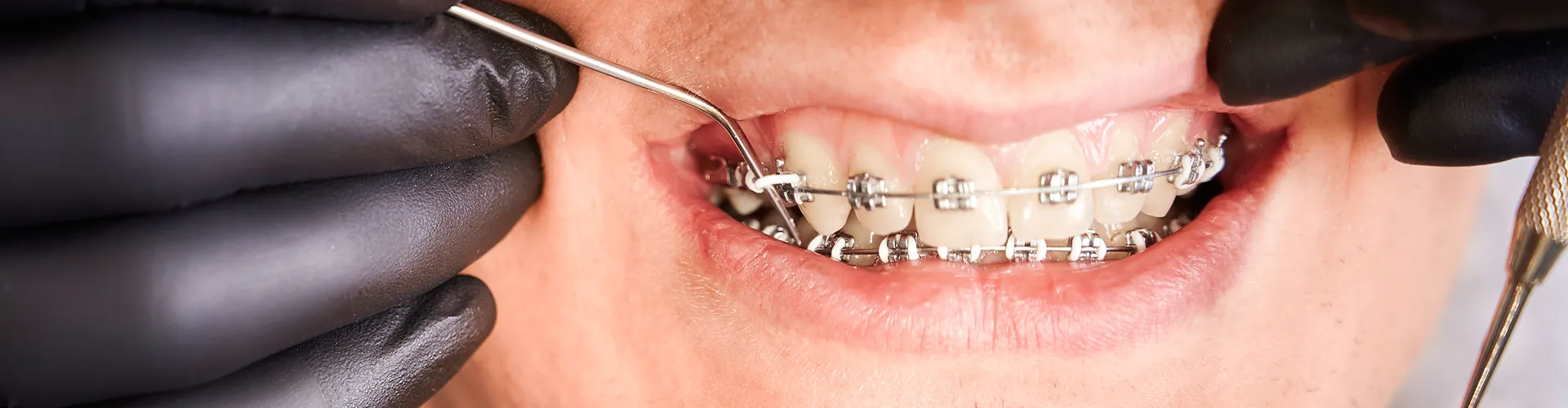
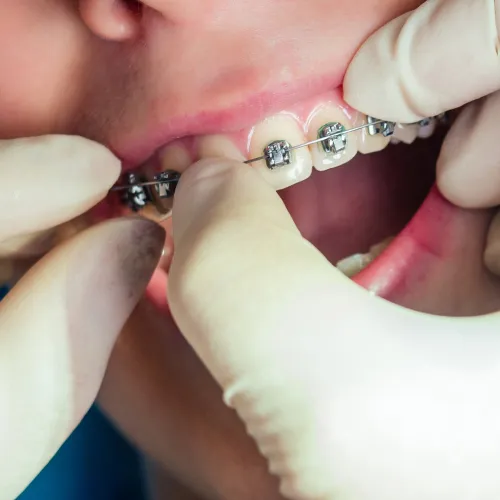
When your braces first go on, your teeth and mouth are suddenly dealing with something they’ve never experienced before: constant, gentle pressure that’s working to move teeth into alignment. This can cause soreness, but not the kind that should alarm you. It’s your teeth responding to change, a sign that your treatment has officially begun.
The inside of your cheeks and lips might also feel irritated as they adjust to the new metal or ceramic surfaces. Think of it as breaking in a new pair of shoes, uncomfortable at first, but once your mouth adjusts, it feels completely normal. Orthodontic wax, saltwater rinses, and staying hydrated can all help speed up this adjustment period.
It’s also common to feel self-conscious initially. Talking and smiling might feel different, and some patients worry about how braces look. But over time, you’ll find that people focus more on your confidence than on your brackets.
What unexpected speech changes might happen right after braces go on?
Speech changes after getting braces are usually mild and temporary. Some patients develop a slight lisp or notice certain sounds—especially “s,” “sh,” and “ch”—feel harder to pronounce in the first few days. This happens because your tongue is adapting to the new surfaces in your mouth.
Think of it as your tongue learning a new map. Once it figures out where everything is, your speech naturally returns to normal. Reading aloud at home, practicing tongue exercises, and slowing down your speech slightly can help speed up this process.
If you have additional appliances, such as bite blocks or rubber bands, the adjustment might take a bit longer. Still, most people find their speech returns to normal within a week or two.
The Eating Transition: Your First Meals Matter
The first few days after getting braces are not the time for crunchy chips or chewy bread. Your teeth will likely feel tender, and it’s best to stick with soft foods—think mashed potatoes, yogurt, smoothies, or pasta.
As your mouth adjusts, you can slowly reintroduce firmer foods. But remember, even once you feel better, some foods can damage your braces or delay your progress. Avoid hard candies, popcorn, nuts, and sticky treats like caramel or taffy. These can loosen brackets or bend wires, forcing you to make an unexpected trip back to the dentist.
Eating smaller bites and chewing carefully can make mealtime more comfortable and help you avoid unnecessary pressure on sore teeth.
How can wearing braces affect chewing and digestion in the first few weeks?
Wearing braces can slightly change the way you chew, which in turn affects how you digest food in the beginning. Since your teeth may be sore and your bite is adjusting, you’re likely to chew less thoroughly at first.
This means your stomach has to work harder to break down food, which can occasionally lead to mild bloating or discomfort. The good news? This is short-lived. As your bite stabilizes and your teeth begin moving into better alignment, chewing becomes easier and more effective.
To make things easier on your body, opt for softer, easy-to-chew foods during the first week or two—soups, eggs, oatmeal, and tender-cooked vegetables are all good options. Over time, as your mouth adapts, you’ll be back to your regular meals without issue.
Why do some patients see white spots or enamel changes during braces before alignment is complete?
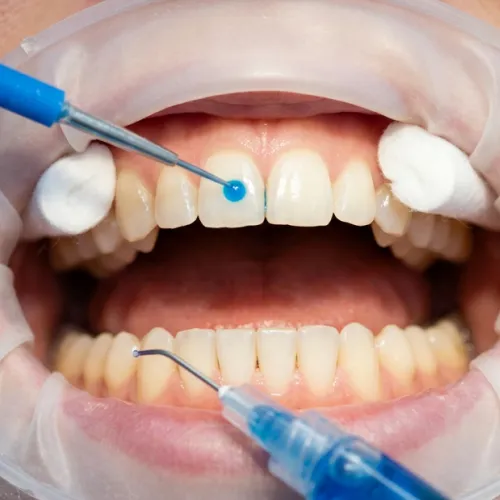
White spots or enamel changes during braces are usually early signs of demineralization caused by plaque buildup around brackets. When bacteria sit on tooth surfaces, they release acids that pull minerals out of your enamel, leaving small chalky marks behind.
This can happen even if your teeth feel clean, because braces make it harder to brush and floss effectively. The key is prevention. Using a fluoride toothpaste, brushing after every meal, and incorporating an interdental brush or water flosser can help keep those hard-to-reach areas clean.
Your orthodontist might also recommend fluoride rinses or in-office fluoride treatments to strengthen your enamel. The good news is that when caught early, these white spots can often be reversed or minimized.
Common Early Complications and How to Handle Them
1. Soreness or Tender Gums: As teeth begin to shift, the ligaments and tissues around them stretch and adjust. Mild gum soreness is normal and usually resolves within a week. Rinsing with warm saltwater helps soothe inflamed gums and promotes healing.
2. Poking Wires: A wire that feels too long or sharp can irritate your cheeks. Orthodontic wax is your best friend here; it creates a temporary barrier until your dentist can trim or adjust the wire.
3. Loose Brackets or Bands: If you accidentally bite into something hard, a bracket can loosen. Avoid pulling or twisting it. Instead, cover it with wax and schedule a quick repair visit.
4. Minor Mouth Sores: Small ulcers may form as your mouth adjusts to the new hardware. Rinsing with saltwater, using topical gels, or applying wax to rough spots usually clears them up quickly.
5. Excess Saliva: You might notice your mouth producing more saliva during the first few days. This is your body’s natural response to the new presence of braces, and it balances out after a week or two.
What to Expect Emotionally
Wearing braces isn’t just a physical adjustment—it can be an emotional one too. The first few weeks might feel awkward, especially if you’re conscious about how you look or talk. It’s completely normal to feel a little impatient or frustrated.
But here’s the upside: those first few weeks are the hardest part. Once your body adjusts, you’ll barely notice your braces. And every small discomfort you feel means your teeth are moving closer to perfect alignment.
Caring for Your Braces: Small Habits That Make a Big Difference
Be Diligent About Brushing: Brush after every meal using a soft-bristled toothbrush. Spend time around each bracket and along the gumline to prevent plaque buildup.
Floss Daily—Even If It’s Tricky: Floss threaders or orthodontic flossers make it easier to clean between teeth. It might take longer at first, but it’s worth it to protect your enamel and gums.
Rinse Regularly: Fluoride rinses help strengthen enamel and prevent cavities while you’re wearing braces.
Stay Hydrated: Drinking water keeps your mouth clean and helps wash away food debris and bacteria between meals.
Keep Regular Appointments: Routine checkups allow your orthodontist to monitor progress and fix any issues before they become bigger problems.
When to Call Your Orthodontist
While mild discomfort and minor irritations are normal, certain issues need professional attention. Call your orthodontist if you experience:
- A wire or bracket that cuts your mouth or won’t stay in place
- Swelling, bleeding, or pus around your gums
- Severe pain or pressure that doesn’t subside after a few days
- A bracket or band that completely detaches
Prompt care prevents setbacks and ensures your treatment stays on schedule.
The Payoff: Why It’s All Worth It
After the early hiccups, most patients find braces much easier to live with than they imagined. Within weeks, you’ll speak, eat, and smile comfortably. And soon, you’ll begin noticing changes in your smile—subtle shifts that prove your treatment is working.
Those first few weeks might challenge your patience, but they also mark the start of a transformation. Every adjustment visit, every day you brush carefully, every meal you navigate—it’s all leading toward a healthier, more confident smile.
Final Thoughts
Early-stage braces complications are part of the journey, not a sign that something’s wrong. With patience, care, and good oral hygiene, the discomfort fades, leaving only progress behind.
At Nu Dentistry Missouri, we’re here to make your orthodontic experience smooth and rewarding from start to finish. If you’re considering braces or have questions about your current treatment, we’d love to help.
Schedule an appointment today and let’s keep your smile on track—comfortable, healthy, and on its way to perfection.




















CARING DENTISTS Missouri City, TX
OUR SOCIALS
Check us out and follow our accounts on the following social media platforms....