If you are thinking about Invisalign, or you are already wearing trays and suddenly wondering if something is wrong, you are not alone.
A lot of people start Invisalign expecting a smooth, predictable process from day one to the final tray. In many cases, it does go very well. But there are also normal moments that can feel confusing, like trays feeling tighter than usual, a bite feeling different after dental work, or hearing that you may need refinements.
The good news is this: these situations are common and often part of how Invisalign treatment is fine-tuned for real teeth in real life.
At Nu Dentistry Missouri, we help patients understand what is happening during Invisalign treatment so they feel confident, not stressed, throughout the process. Let’s talk about some of the most common Invisalign concerns people have and what they may actually mean.
Why Invisalign Can Feel Different From Week to Week
Invisalign works by applying gentle, controlled pressure to move teeth over time. That pressure is designed into each set of aligners based on your treatment plan. As your teeth respond, your aligners guide the next phase of movement.
Here is the key thing to remember:
Teeth do not always move at exactly the same speed.
That does not automatically mean your Invisalign treatment is failing. It simply means your dentist may need to monitor your progress and make adjustments along the way.
A few factors can affect how Invisalign feels during treatment:
- How consistently the trays are worn
- How your teeth biologically respond to movement
- Whether attachments are helping certain teeth track
- Recent dental work like crowns or fillings
- Changes in your bite as teeth shift into new positions
This is one reason follow-up visits matter so much during Invisalign treatment. They allow your dental team to check how your teeth are tracking and keep your plan moving in the right direction.
What are Invisalign refinements, and why do some patients need them?
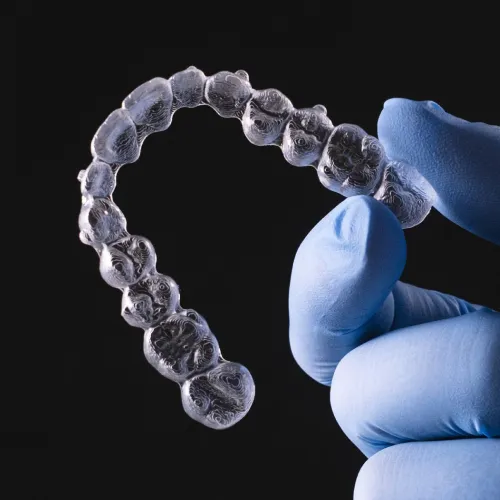
Invisalign refinements are additional aligners made after your initial set of trays if your teeth need more precise movement to reach the desired result.
This is not unusual, and it is not a sign that you did something wrong.
In fact, refinements are often part of getting a great outcome. Think of them as the detail work. Your main Invisalign trays may do most of the movement, but refinements help polish the final alignment and bite.
Why refinements may be needed
Some common reasons include:
- A tooth did not track exactly as planned
- Small gaps or minor crowding remain
- Your bite needs final balancing
- Cosmetic alignment looks close, but not ideal yet
- You and your dentist want a more precise finish
Sometimes teeth are stubborn. Sometimes they move beautifully. Most patients have a mix of both.
What refinements usually involve
Refinements typically include:
- A progress check
- New scans or impressions
- A new set of Invisalign trays
- Continued wear as directed
The goal is not just straighter teeth. The goal is a result that also feels comfortable and functions well when you bite and chew.
At Nu Dentistry Missouri, we want patients to know that refinements can be a normal and valuable part of Invisalign treatment, especially when we are aiming for both aesthetics and bite stability.
Why do my Invisalign trays suddenly feel tighter halfway through the week?
This is one of the most common Invisalign questions patients ask, and it makes sense. Many people expect trays to feel tight for the first day or two, then gradually loosen. So when a tray suddenly feels tighter again later in the week, it can be surprising.
In many cases, there is a reasonable explanation.
Why Invisalign trays may feel tighter mid-week
Here are a few common reasons:
1. Your teeth are still moving and settling: Invisalign movement is not always perfectly linear day by day. A tooth may begin responding more noticeably after a few days, which can create a renewed feeling of pressure.
2. You removed your trays for longer than usual: If trays are out for meals, events, or long stretches, teeth can shift slightly. When you put the trays back in, they may feel tighter than expected.
3. You are clenching or grinding: Some patients clench more during sleep, especially when stressed. This can affect how the trays feel and create soreness or pressure points.
4. Certain teeth are doing more work in that tray: Not every tray moves every tooth equally. One aligner stage may focus more on a specific area, and that can make the tray feel tighter in one part of your mouth.
5. Attachments are creating stronger engagement: Attachments help Invisalign grip and move teeth more effectively. As the tray settles around them, you may notice stronger pressure.
When tighter trays are normal and when to call
A snug fit is often a sign the aligner is doing its job. Mild soreness or pressure can be expected during Invisalign treatment.
Call your dentist if you notice:
- Sharp pain that does not improve
- A tray that will not seat fully
- Cracks or damage in the aligner
- Bleeding gums that continues
- A sudden major change in your bite
If something feels off, it is always better to check. A quick appointment can prevent small tracking issues from becoming bigger ones.
Can Invisalign fix a bite that feels off after a crown or filling?
Yes, in many cases Invisalign can help improve a bite that feels off after a crown or filling, but it depends on the cause.
Sometimes after a dental restoration, a patient may feel like the teeth are not coming together the same way. It may feel like one side hits first, or one tooth feels high, even if the restoration itself looks fine.
This can happen for a few reasons:
- The bite may need a simple adjustment to the crown or filling
- Your muscles and jaw may need time to adapt
- There may already have been a bite imbalance before the dental work
- Tooth movement or wear over time may be contributing
How Invisalign may help
If the issue is related to tooth position or bite alignment, Invisalign may help by:
- Repositioning teeth for better contact
- Improving how upper and lower teeth fit together
- Reducing uneven pressure on certain teeth
- Supporting a more balanced bite over time
Important note
Not every bite issue after a crown or filling needs Invisalign. Sometimes the best solution is a minor bite adjustment done by your dentist. Other times, Invisalign is the better long-term option because it addresses the underlying alignment issue rather than just the symptom.
This is why a proper exam matters. At Nu Dentistry Missouri, we can evaluate whether your bite feels off because of the restoration itself, a tooth position issue, or a combination of both.
The right treatment starts with the right diagnosis.
How to Get the Best Results From Invisalign
If you want your Invisalign treatment to stay on track and reduce surprises, these habits make a big difference:
Best practices for Invisalign patients
- Wear your aligners as instructed each day
- Switch trays only when directed
- Keep follow-up appointments
- Store trays safely when eating
- Brush before putting trays back in
- Use chewies or seating tools if recommended
- Mention changes in your bite early
Small habits can have a big impact on how smoothly Invisalign treatment goes.
Invisalign Works Best When You Know What to Expect
Invisalign is a great option for many patients because it is discreet, comfortable, and effective. But it is also a process, and real treatment sometimes includes refinements, changing pressure, and bite adjustments along the way.
That does not mean something is wrong. It often means your treatment is being customized to your teeth, your bite, and your results.
If you have questions about Invisalign, if your trays feel unusually tight, or if your bite feels off after a crown or filling, the best next step is a professional evaluation.
Ready to Talk About Invisalign at Nu Dentistry Missouri?
Whether you are just starting to explore Invisalign or you are already in treatment and want answers, our team is here to help.
Schedule an appointment with Nu Dentistry Missouri to discuss your Invisalign concerns, check your progress, and create a plan that feels right for your smile and your bite.














CARING DENTISTS Missouri City, TX
OUR SOCIALS
Check us out and follow our accounts on the following social media platforms....