Medically Reviewed by Dr. Ali Tameemi
Porcelain veneers typically last 10–20 years, but "permanent" means something more nuanced than most patients expect — your enamel is permanently altered from day one, and each replacement cycle quietly counts down a biological clock. For Missouri City patients, how long your veneers look good (not just stay bonded) depends heavily on gum health, daily chemistry, and habits most dentists never mention.
The Biological Countdown Nobody Warns You About
Many patients want to know whether veneers are permanent. The honest answer is: they're a permanent commitment, but not a permanent solution.
When prepping a tooth for a traditional porcelain veneer, a thin layer of enamel is removed — typically 0.3 to 0.5 mm from the facial surface. That enamel never grows back. According to Healthline, this makes the procedure irreversible, and that's true even before the first veneer is placed.
What warrants closer attention, though, is what happens at replacement time.
Porcelain veneers have an estimated survival rate of 93.5% over 10 years and around 82.9% at 20 years, according to research published in PMC. That's genuinely impressive. But when a veneer eventually needs replacing — whether from fracture, marginal breakdown, or aesthetic reasons — the tooth must be re-prepped. That means removing residual bonding resin and sometimes a microscopic additional layer of facial tooth structure.
Think about what that means across a lifetime. A patient who gets veneers at 25 will likely need a first replacement around 35–45, a second around 50–60, and a third around 65–75. By the third replacement cycle, there is often insufficient healthy facial enamel remaining to reliably bond another veneer. At that point, the clinical conversation shifts from veneers to full-coverage tooth crown restorations — a more invasive restoration that covers the entire tooth.
This is sometimes called the "replacement ceiling." It's not a reason to avoid veneers. It is a reason to plan thoughtfully, choose a skilled provider, and protect every replacement cycle available.
Your Aesthetic Expiration Date Is Different From Your Functional One
Most people assume their veneers have "failed" when the porcelain chips or the veneer debonds. In clinical experience, that's rarely the first problem patients notice. The more common complaint is a dark line appearing at the gum margin — and it arrives years before any structural failure.
This happens because of natural gum recession. As we age, gum tissue gradually recedes. When it does, it exposes the margin — the thin edge where porcelain meets tooth structure. That margin, even when perfectly crafted, creates a visible transition zone. Stain accumulates there. A dark ledge appears. The veneer looks artificial even though it's still fully functional and firmly bonded.
Cleveland Clinic notes that veneers are cosmetic restorations — they improve appearance but don't inherently protect the underlying tooth. That distinction matters here: a veneer can pass every clinical test and still look wrong because the gum has moved.
This is why periodontal maintenance is emphasized for every veneer patient. Controlling inflammation, maintaining proper brushing technique at the gumline, and attending regular hygiene appointments aren't just good habits — they directly extend the aesthetic life of veneers, often by years. Managing gum health is genuinely the most underrated form of veneer maintenance.
The Chemistry of Maintenance: What's Silently Degrading Your Margins
Physical maintenance advice for veneers is well-established: avoid biting hard objects, wear a nightguard if you grind, don't use your teeth as tools. All valid. But there's a chemical dimension to veneer maintenance that almost nobody discusses.
The resin cement that bonds a veneer to the tooth is not inert over time. Repeated exposure to acidic environments — lemon water, kombucha, apple cider vinegar drinks, sparkling water with citrus — can gradually soften the resin at the margins. High-alcohol mouthwashes present a similar concern, as alcohol can degrade the organic components of bonding resin over years of daily use.
The result is "micro-leakage": a microscopic gap forms at the margin, bacteria enter, and a cavity develops on a tooth that looks perfectly healthy from the front. By the time it's detected, the decay may require more aggressive treatment than a simple veneer replacement. In some cases, this can even lead to the need for an endodontic root canal if the decay reaches the pulp.
WebMD's overview of veneers confirms that porcelain resists staining better than natural enamel — but the margins, where resin cement is exposed, remain vulnerable. That's the exact zone where chemical degradation concentrates.
Here is a practical checklist for veneer-safe daily chemistry:
- Mouthwash: Choose alcohol-free formulas specifically
- Acidic drinks: Use a straw, rinse with water immediately after, and avoid sipping slowly over long periods
- Whitening products: Confirm compatibility with your dentist — some peroxide concentrations can affect bonding resin
- Toothpaste: Use non-abrasive formulas; avoid charcoal-based pastes that can scratch porcelain glaze
These aren't restrictions that make veneers impractical. They're simple adjustments that protect a significant investment.
What "Lasting 10 to 20 Years" Actually Requires From You
A Healthline article on veneer longevity puts the typical range at 10 to 15 years for traditional porcelain veneers, with some lasting up to 20 years. That range isn't random — it reflects how differently patients maintain their restorations.
The factors most strongly associated with premature veneer failure in clinical literature include bruxism (teeth grinding), nonvital teeth, smoking, and poor marginal bonding technique. Of these, bruxism is one of the most significant. The compressive and shear forces generated during grinding are far beyond what normal function produces, and porcelain — despite its excellent aesthetics — is a brittle material.
If grinding is a concern, a custom nightguard isn't optional. It's the single most effective protective measure available.
Beyond that, the maintenance schedule matters more than most patients realize. Professional cleaning and exam appointments should use non-abrasive polishing agents appropriate for porcelain surfaces. Mouthhealthy.org from the ADA recommends working only with licensed dental providers for any veneer treatment or maintenance — because improper instruments or pastes can scratch the porcelain glaze, accelerating surface degradation and staining over time.
At each recall appointment, clinicians evaluate margin integrity, gingival health, and porcelain surface condition. Small issues caught early — a beginning margin gap, early gum recession at a veneer site — can often be managed conservatively. Ignored, they become reasons for early replacement.
Ready to Explore Veneers in Missouri City?
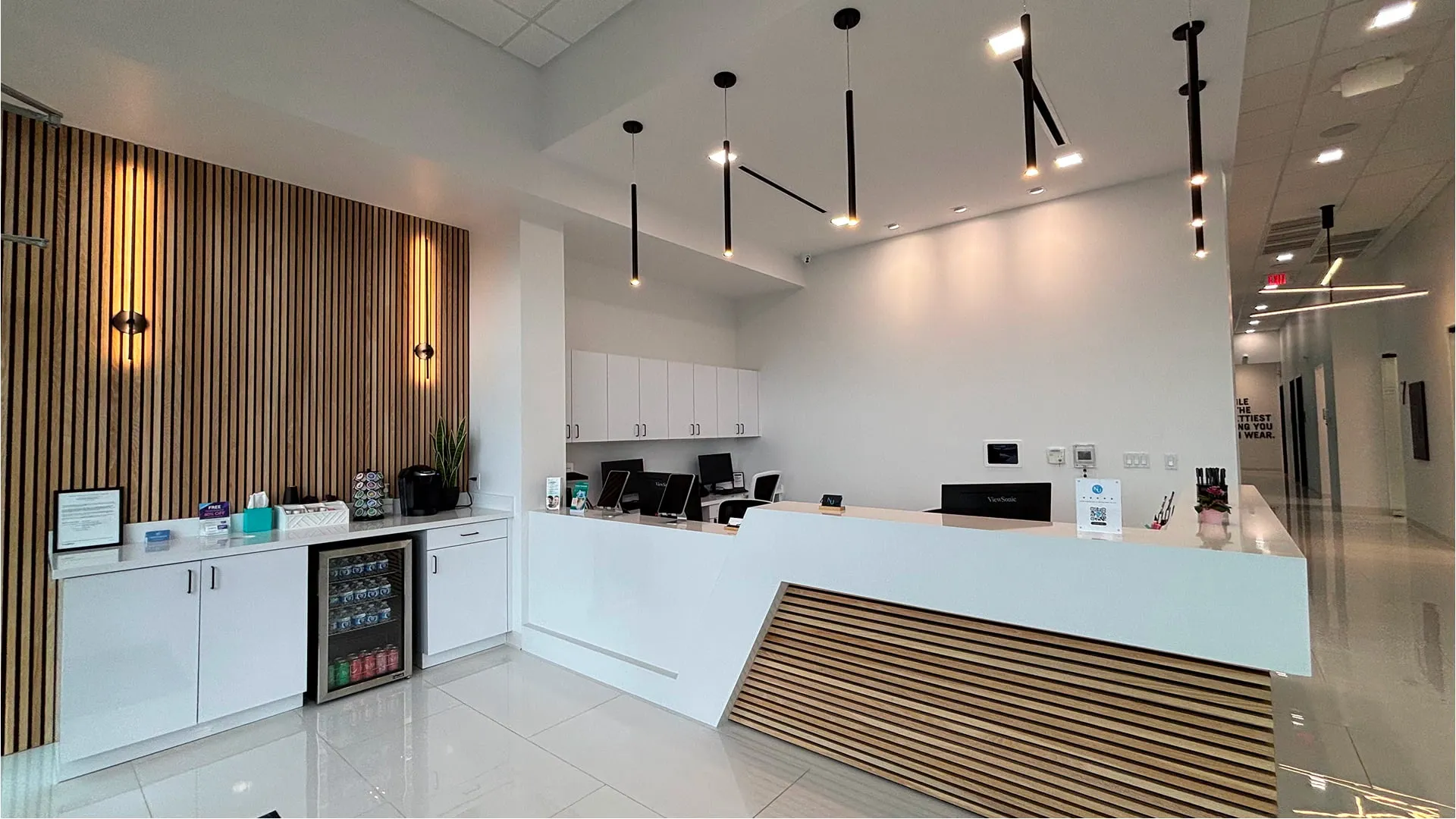
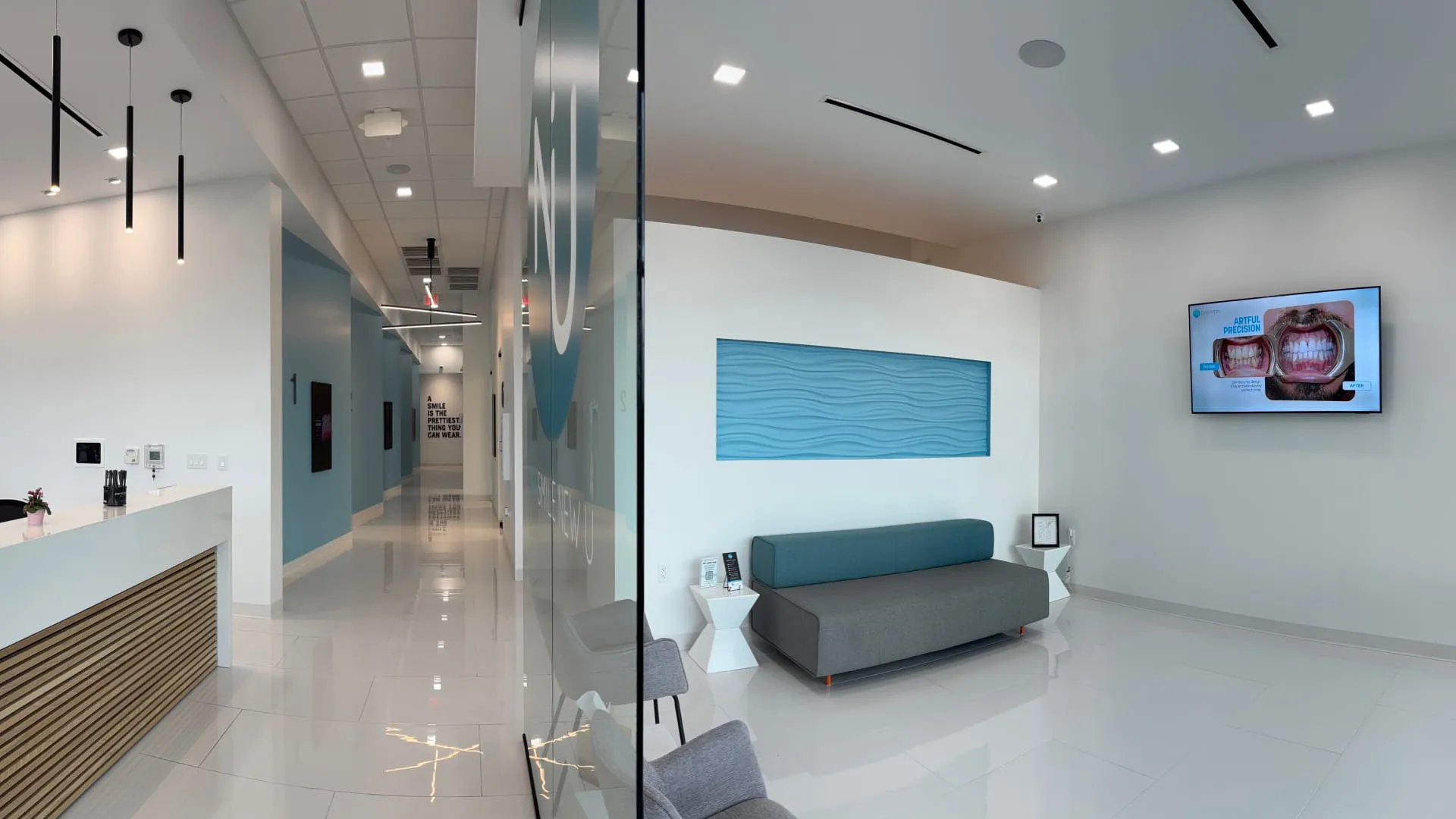
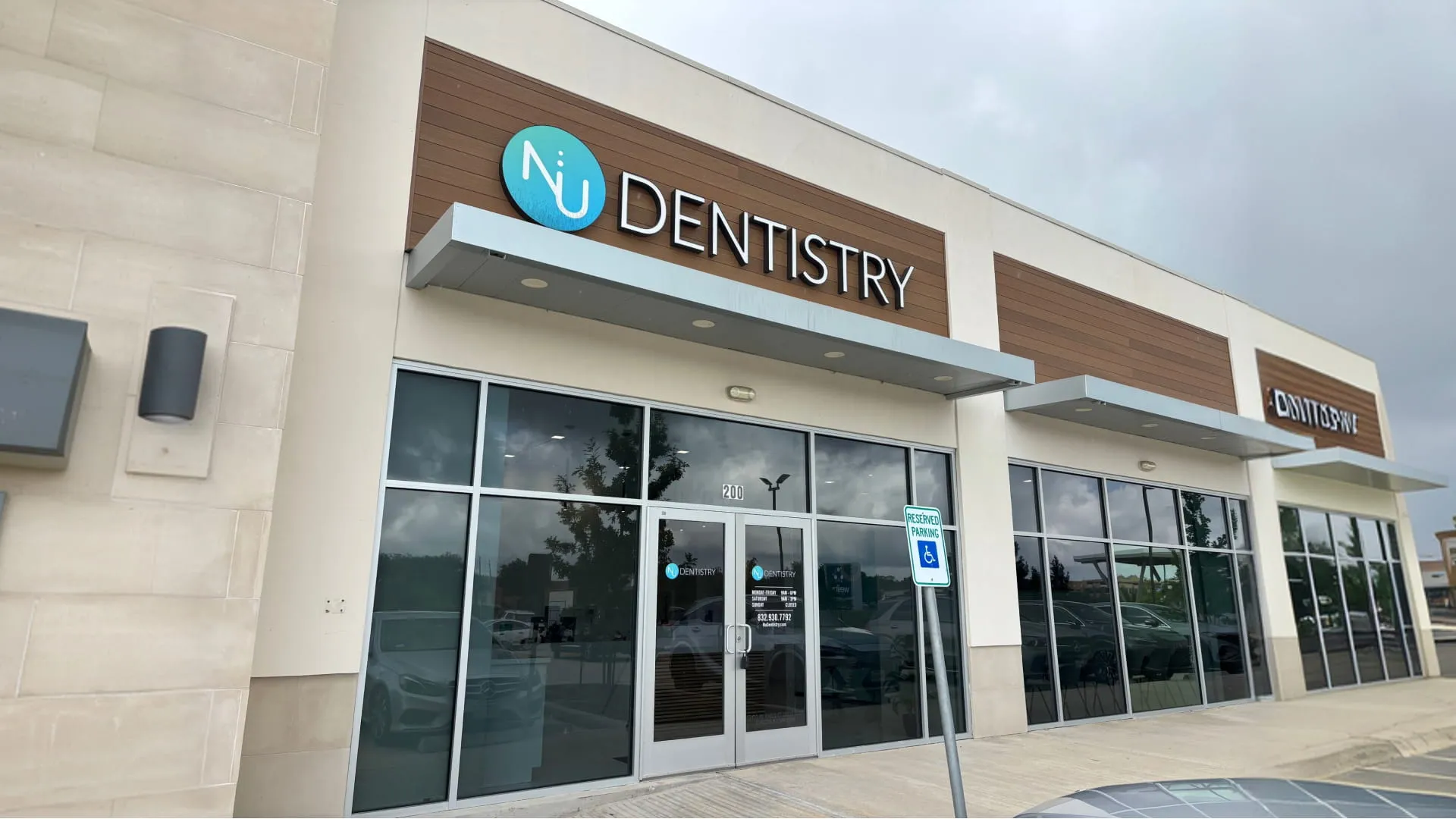
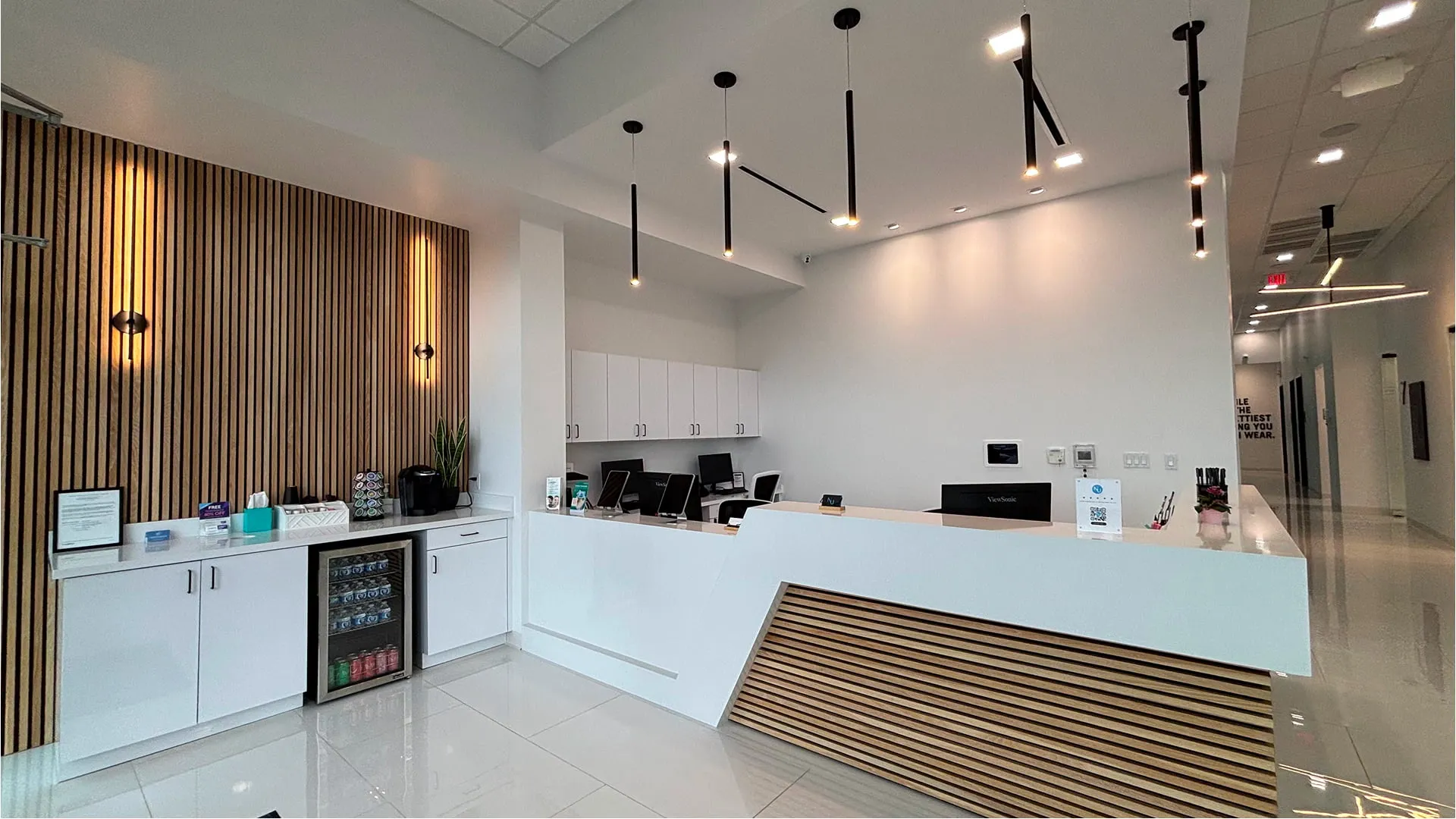
If you're considering porcelain veneers or have existing veneers that need evaluation, Nu Dentistry Missouri works with patients across Missouri City and the greater Houston area in private suites designed around your comfort. The aesthetic dentistry services are designed to give you the full picture — including the parts most consultations skip — so you can make a decision you'll feel confident about for decades.
Medical disclaimer: This article is intended for informational purposes only and does not constitute professional dental advice, diagnosis, or treatment. Always consult a qualified dental professional regarding your individual oral health needs.
















CARING DENTISTS Missouri City, TX
OUR SOCIALS
Check us out and follow our accounts on the following social media platforms....