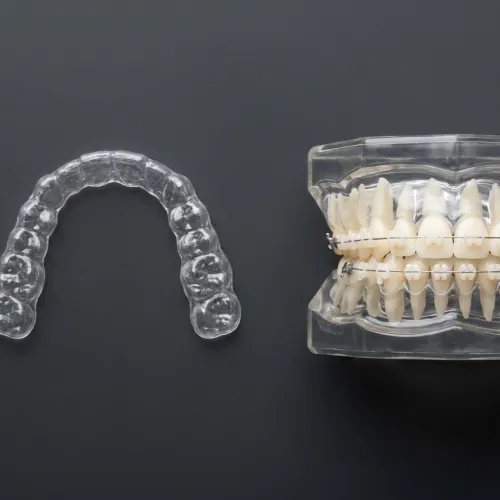
Invisalign vs. Ceramic Braces for Adults: Which Is Faster and More Effective?
Wondering if Invisalign is faster than ceramic braces for adults? Compare effectiveness and treatment times, then book your consultation with our team today!
Read More

Cosmetic Dentistry, Teeth Straightening
Medically Reviewed by Dr. Ali Tameemi
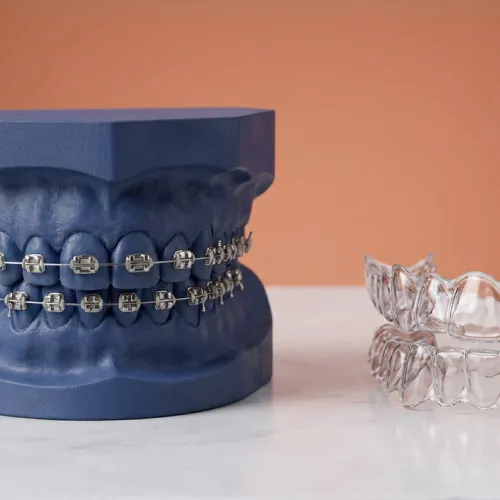
Choosing between braces and clear aligners isn't just about aesthetics — it shapes your entire treatment timeline, visit schedule, and how closely your orthodontist can monitor your progress. Both options work, but the clinical details of how they work matter more than most patients realize. If you're still weighing your options, our guide on choosing between Invisalign and braces in Missouri City TX breaks down the key differences in detail.
Most patients assume a high-resolution 3D scan captures everything a trained orthodontist needs. It doesn't.
Digital scans are remarkable tools. They map tooth crowns with impressive accuracy. But orthodontic movement is a biological process happening in living bone, not a mechanical one happening on a screen. There are diagnostic steps that simply cannot be replicated remotely.
An in-person orthodontist physically palpates the temporomandibular joint (TMJ) to detect clicking, crepitus, or resistance that signals joint stress under treatment forces. They manually test individual tooth mobility — a critical check, because a tooth loosening dangerously under bracket pressure produces no visible change in a crown-level scan. They also probe periodontal pocket depths to confirm the supporting bone can handle sustained orthodontic force without triggering bone loss.
Remote monitoring apps and AI photo checks only see the visible crown surfaces. They cannot feel bone resistance. They cannot assess whether a tooth is moving cleanly through healthy tissue or torquing against a compromised root. According to Cleveland Clinic, braces use mild, constant pressure to shift teeth into proper positions — and managing that pressure safely requires hands-on clinical judgment at every stage.
This is why in-person orthodontic supervision isn't just a scheduling preference. It's a clinical safeguard. Whether you choose braces or aligners, regular physical exams protect you from the complications that a camera will never catch.
No orthodontic treatment follows its projected path perfectly. Teeth are unpredictable. The real question is: what happens when something isn't moving as planned?
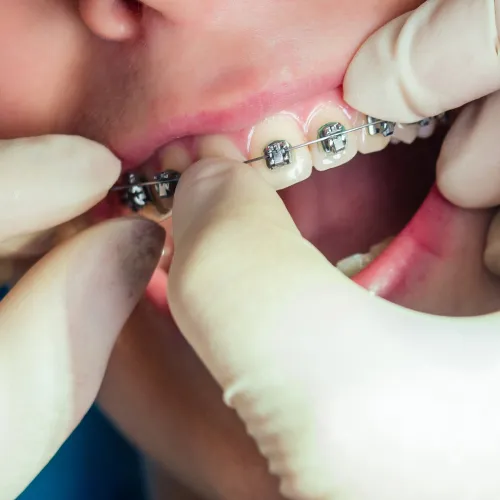
With traditional braces, mid-course corrections happen immediately in the chair. An orthodontist can manually bend an archwire with precise, tactile skill — making micro-adjustments to the angle, torque, or force on a single stubborn tooth without disrupting the rest of the treatment plan. The correction is done before you leave the appointment.
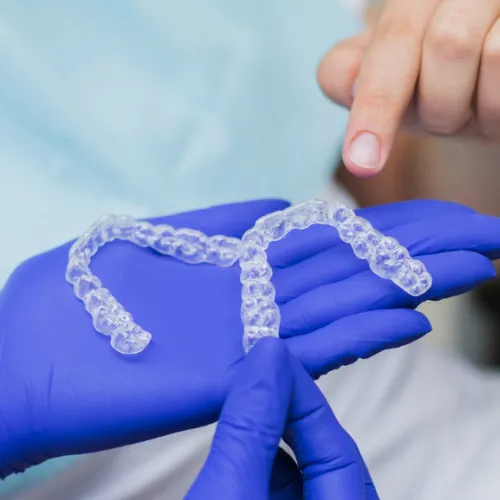
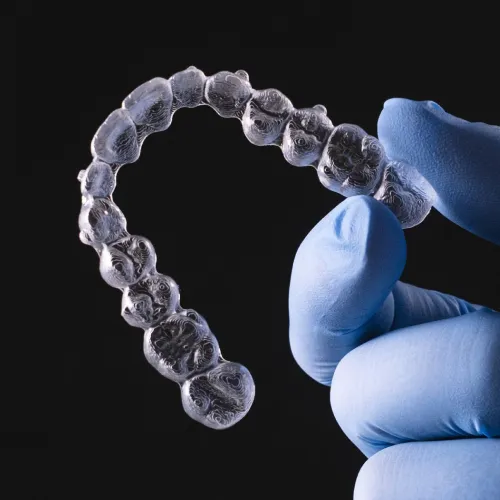
With clear aligners, the process is fundamentally different. When a tooth stops "tracking" — meaning it isn't following the aligner's intended movement — treatment must pause. A new digital scan is taken, submitted to the manufacturing facility, and new "refinement" trays are fabricated and shipped. That process typically takes three to six weeks. During that window, your treatment is on hold. Understanding what really affects Invisalign results in Missouri City TX can help you set realistic expectations before starting treatment.
As WebMD explains, no single orthodontic method works for everyone. The complexity of your case directly affects how often mid-course corrections become necessary — and therefore, which treatment format gives your orthodontist the most responsive toolkit.
For patients with moderate to complex tooth movements, the ability to make an immediate, chairside adjustment often translates into a more predictable overall timeline.
Standard comparisons between braces and aligners often note that aligners typically require fewer scheduled visits. That's true. But scheduled appointments are only part of the story.
Braces do generate specific unplanned visits. A poking archwire or a debonded bracket can cause mucosal trauma that needs same-day relief. These aren't rare events — they're a recognized part of fixed appliance treatment, and most orthodontic practices accommodate them quickly. Patients considering braces should also be aware of early braces complications in Missouri City TX so they know what to watch for during the initial adjustment period.
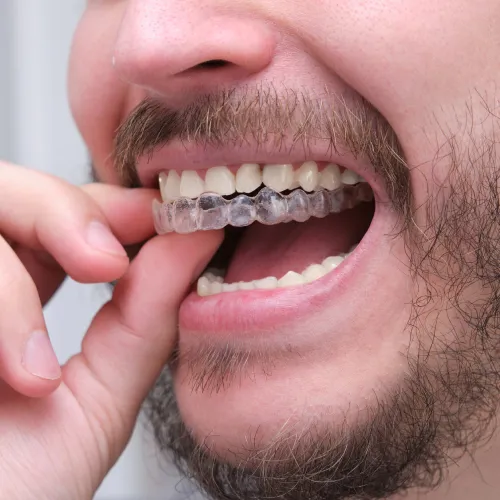
Aligner "emergencies" are different in nature but not necessarily fewer in number. Lost attachments, misplaced trays, or significant tracking failures all require unplanned office visits — and in the case of tracking failure, those visits trigger the rescan-and-remanufacture cycle described above. A patient who isn't wearing their aligners for the required 20 to 22 hours daily can accumulate multiple tracking failures across a single treatment course, generating more total office visits than a compliant braces patient would ever need.
Healthline notes that getting braces takes one to two hours at placement — and the follow-up rhythm of regular adjustment appointments creates a built-in accountability structure. That structure keeps treatment moving. Aligners place more responsibility on the patient, which works well for disciplined wearers and less well for those who struggle with compliance.
Cleveland Clinic also confirms that adults are increasingly common orthodontic patients — and for adults managing busy schedules, understanding the true visit burden of each option (not just the scheduled appointments) is essential before committing to a treatment path. Our blog post on how to improve bite with braces in Missouri City TX explores how fixed appliances address bite correction specifically.
There is no universal answer. As WebMD outlines, your orthodontist will build a treatment plan based on clinical exams, digital scans, photographs, and X-rays — because every bite is different.
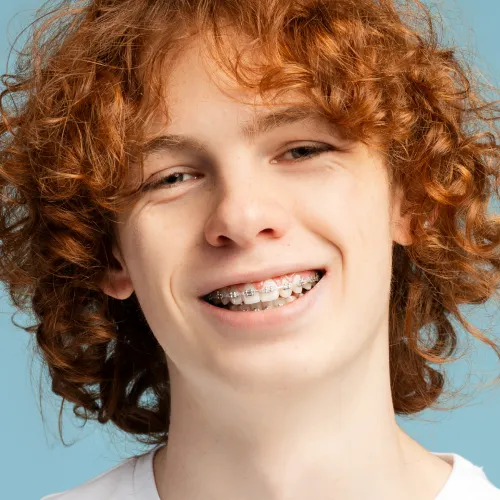
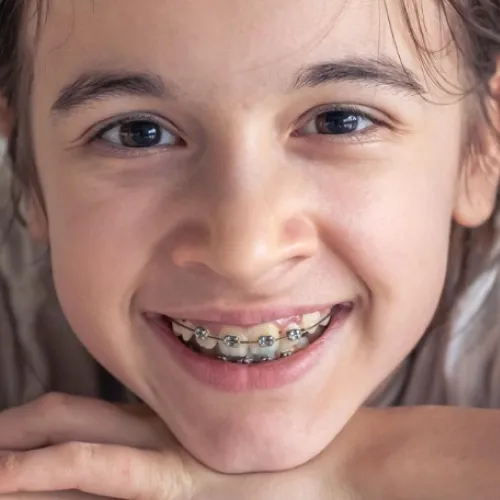
Braces offer continuous, orthodontist-controlled force and immediate mid-course correction. They suit patients with complex alignment issues, those who prefer not to manage a removable appliance, and cases where precise torque control is critical.
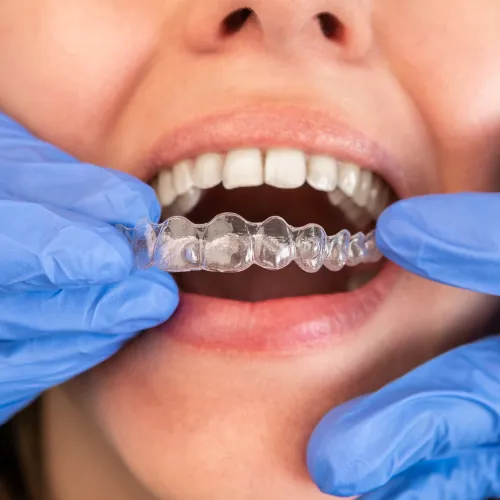
Clear aligners offer discretion and removability. They suit patients with mild to moderate alignment needs who are committed to wearing their trays consistently and maintaining hygiene without fixed hardware. If you're curious whether you might be a candidate, our article on finding out if you're a good candidate for Invisalign in Missouri City TX walks through the key qualifying factors.
The most important step isn't choosing between them online. It's sitting across from an orthodontist who can physically examine your teeth, assess your bite, and give you a treatment recommendation grounded in what they can see and feel.
If you're weighing braces against clear aligners, the best place to start is a real conversation with a real clinician. At Nu Dentistry Missouri, our team serves patients throughout Missouri City and the Greater Houston area with thorough, in-person orthodontic evaluations. Contact us today to schedule your consultation.
Medical disclaimer: This article is for informational purposes only and does not constitute professional dental or medical advice. Always consult a licensed dental professional for diagnosis and treatment recommendations specific to your situation.





Tuesday 9-6pm
Thursday 9-6pm
Friday 9-6pm
Saturday 9-3pm
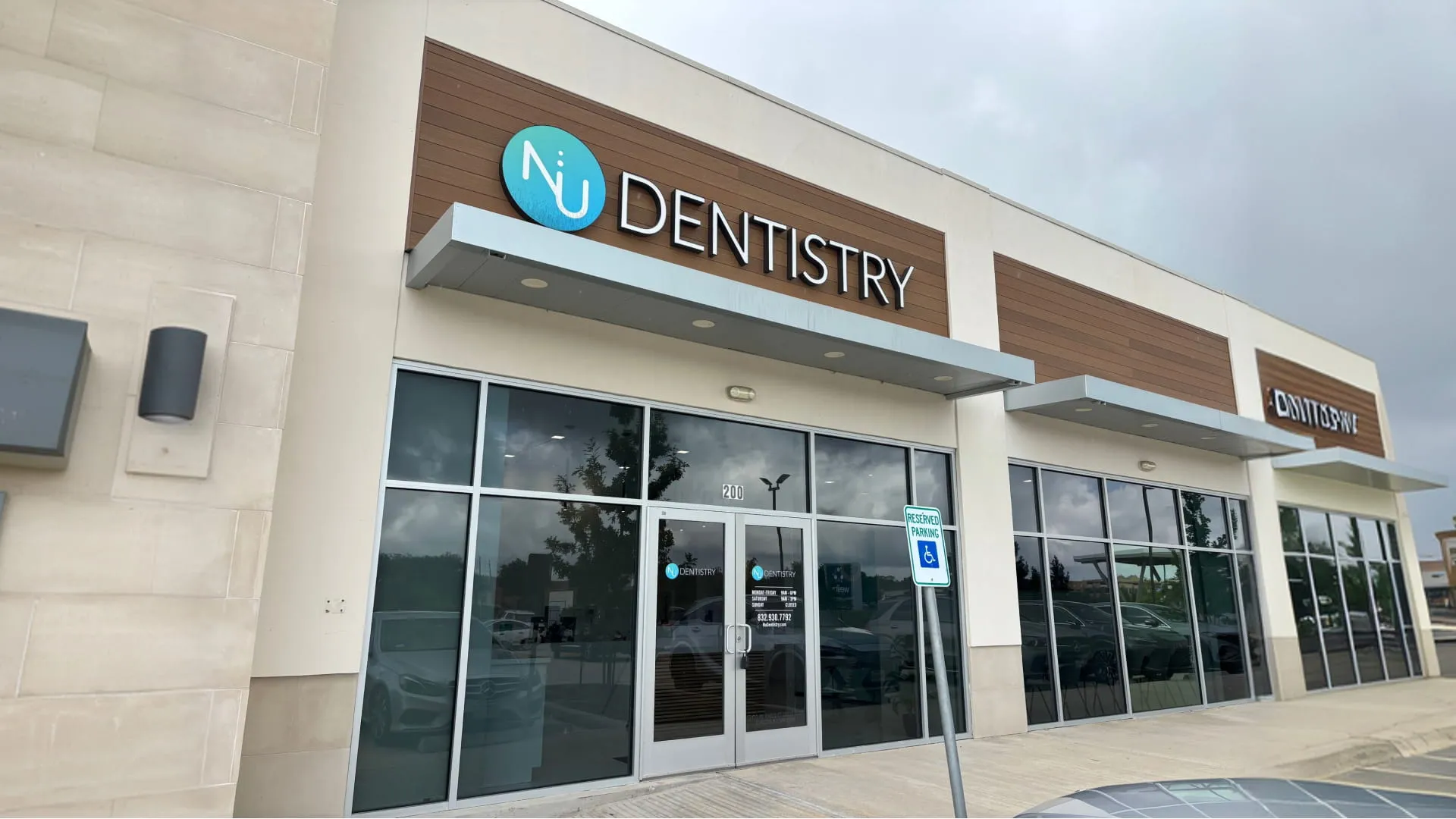
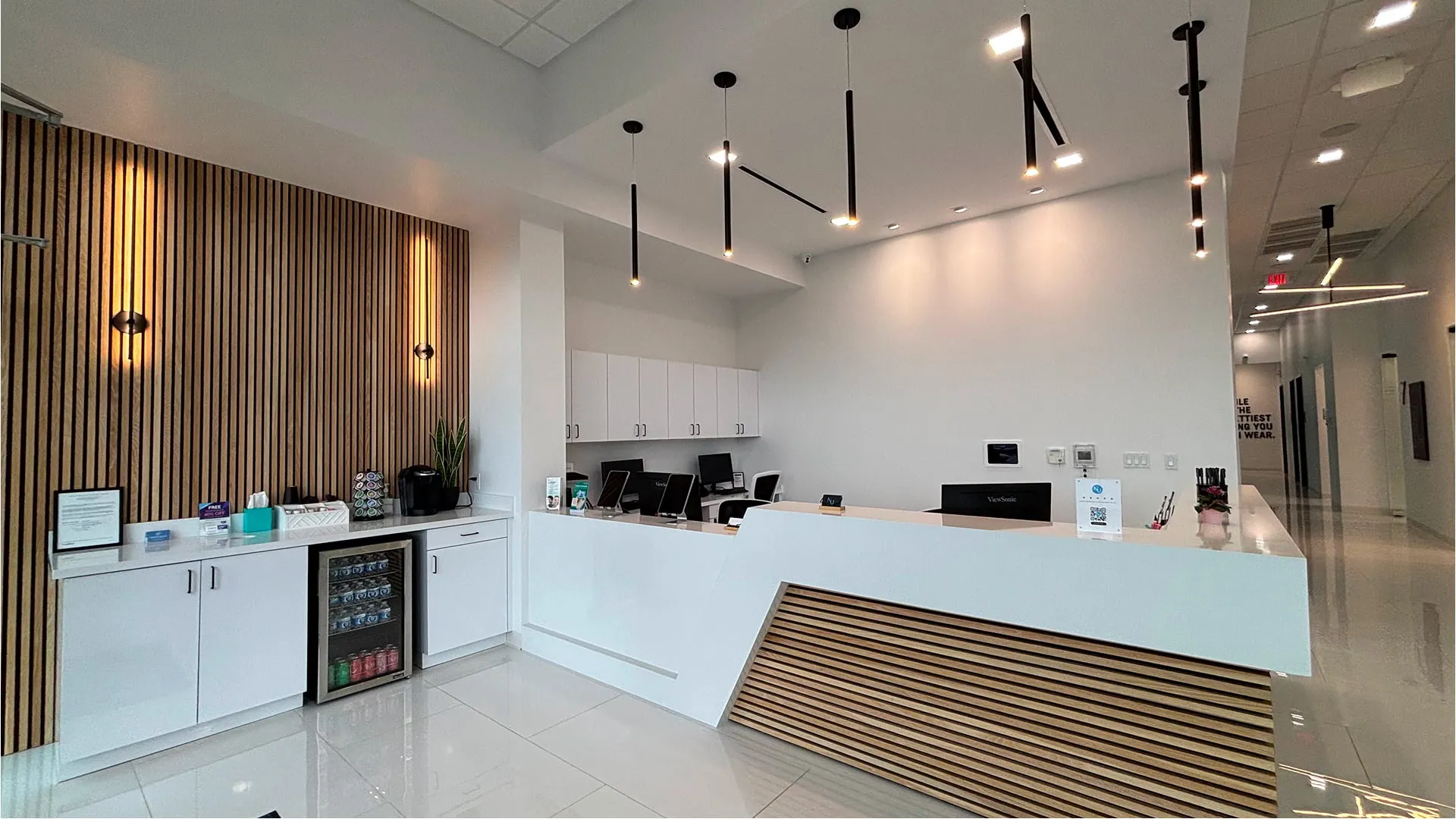
8145 Highway 6, Building B #200, Missouri City, TX 77459
5706 San Felipe St Ste B-300, Houston, TX 77057
23227 Gosling Rd., Suite B, Spring, TX 77389
8940 Barker Cypress Rd., Cypress, TX 77433
3201 N. Shepherd Dr. Suite 113, Houston, TX 77018
11115 W Grand Parkway S, Suite 140, Richmond, TX 77407
PATIENT TESTIMONIALS Missouri City, TX
What people are saying after visiting our dental office


CARING DENTISTS Missouri City, TX
OUR SOCIALS
Check us out and follow our accounts on the following social media platforms....