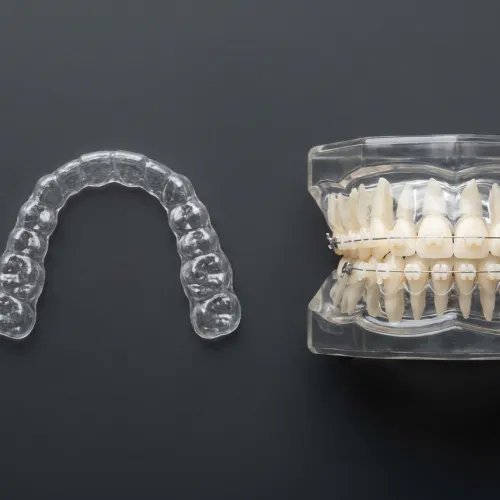
Invisalign vs. Ceramic Braces for Adults: Which Is Faster and More Effective?
Wondering if Invisalign is faster than ceramic braces for adults? Compare effectiveness and treatment times, then book your consultation with our team today!
Read More
Cosmetic Dentistry, Teeth Straightening
Medically Reviewed by Dr. Ali Tameemi
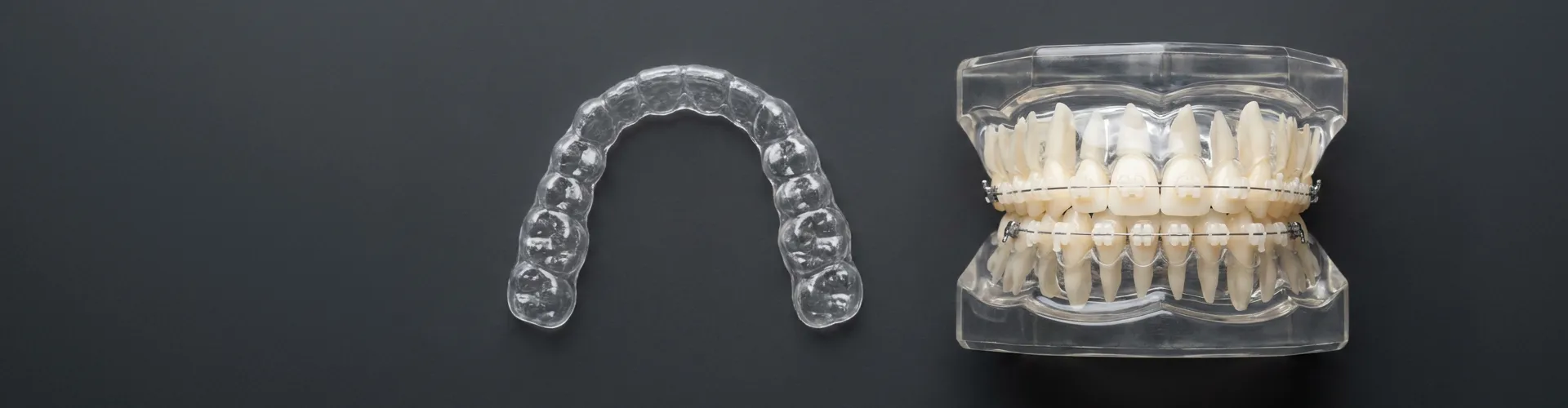
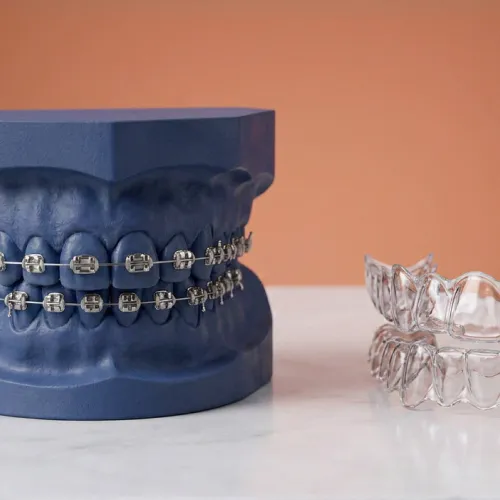
Invisalign can finish simple cases faster than ceramic braces, but the answer depends on which teeth are moving and how. For adults weighing both options, understanding where each system gains — and loses — time is more useful than any generic timeline.
Most comparisons between Invisalign and braces default to average timelines. That framing misses the point. Speed isn't just about compliance or case complexity in a general sense — it's about what kind of movement your teeth actually need.
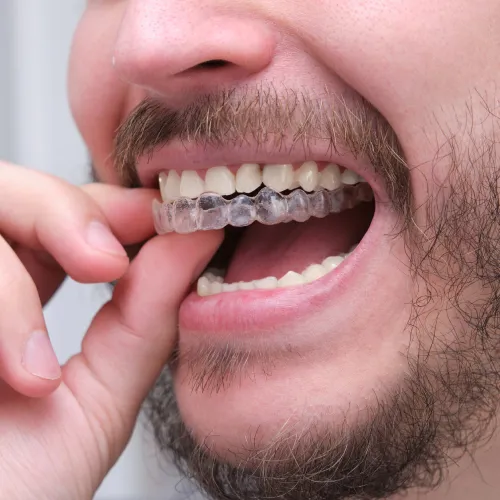
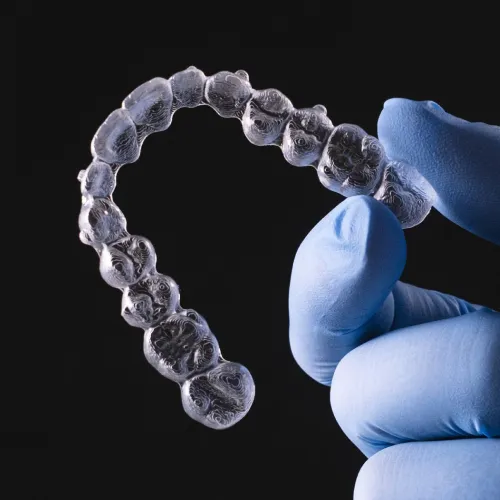
Invisalign tends to be 25–30% faster for horizontal space closure and arch expansion. These are "pushing" mechanics: widening the arch, closing gaps, and tipping teeth laterally. Clear aligner trays exert distributed pressure across the whole tooth surface, which makes them efficient at these movements. According to Invisalign, patients in mild-to-moderate cases can begin seeing results in as little as six months. If you're still weighing your options, learn about clear aligners in Missouri City TX to understand how the technology works before committing to a path.
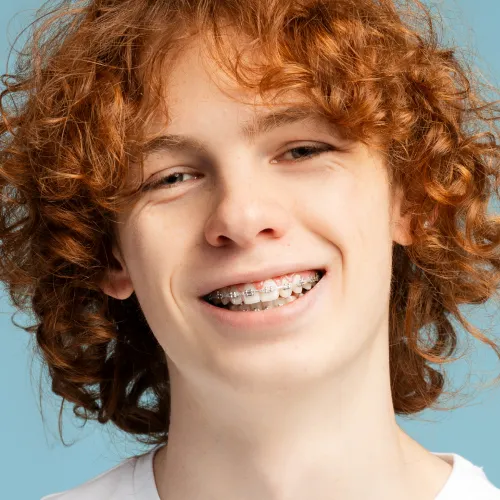
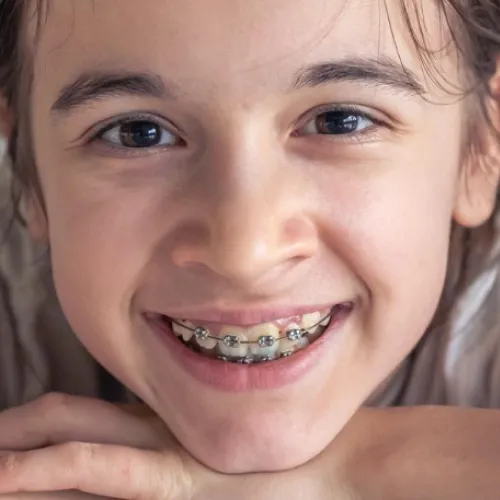
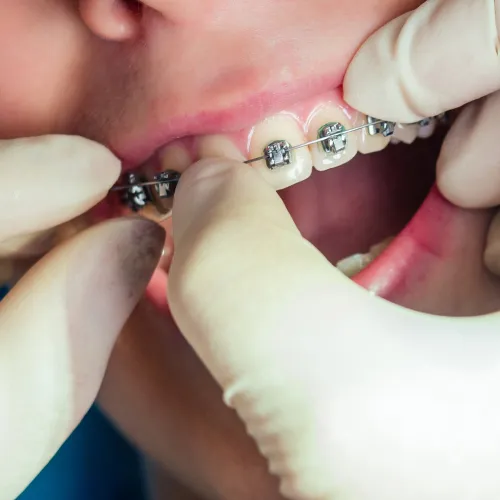
Ceramic braces, by contrast, have a meaningful advantage for vertical extrusion, severe root uprighting, and canine rotations greater than about 30 degrees. These are three-dimensional movements that require precise torque control — something wire-and-bracket mechanics deliver more predictably than a removable tray. The bracket is bonded directly to enamel, allowing force vectors that aligners struggle to replicate consistently. A Healthline overview of ceramic braces notes that ceramic braces move teeth faster than clear aligner methods for many case types, even though both sit on the discreet end of the aesthetic spectrum.
The practical implication: two adults with similarly "moderate" cases can have very different optimal treatment paths depending on which axis their teeth need to move. A thorough clinical exam — not a before-and-after photo — determines that.
Both Invisalign and ceramic braces have a primary failure point that extends treatment beyond the initial estimate. They're just different failure points.
Ceramic bracket friction. Ceramic slots generate more friction against the archwire than metal brackets do. This matters most during the later stages of treatment, when sliding mechanics are used to close space or fine-tune alignment. Higher friction slows tooth movement and can require longer appointment intervals to achieve the same result that metal brackets reach faster. Bracket fracture or de-bonding — ceramic brackets are more than twice as likely to break as metal ones — adds further delay, since a broken bracket means a missed treatment week. Adults considering traditional orthodontics should also learn about early braces complications in Missouri City TX before starting treatment. WebMD's overview of ceramic braces notes these limitations directly.
Invisalign tracking errors and refinements. When an aligner tray stops fitting as designed — because a tooth hasn't moved as predicted — the case stalls. The orthodontist must rescan, submit a refinement order, and wait for new trays. Each refinement cycle typically adds four to six weeks before active movement resumes. As Healthline notes on Invisalign effectiveness, wearing aligners for the full 20–22 hours daily is critical; anything less compounds tracking drift and increases the likelihood of needing refinements. To understand what really affects Invisalign results in Missouri City TX, it helps to review the clinical factors your provider will assess.
Neither stall is inevitable. Both are manageable with an experienced provider. But adults choosing primarily on aesthetics should understand that each system's discreet appearance comes with a specific mechanical trade-off.
Adults rarely arrive at an orthodontic consultation with untouched teeth. Crowns, veneers, implants, and bridges are common — and each one behaves differently under orthodontic force than natural enamel does.
Composite attachments (the small tooth-colored bumps bonded to teeth to help Invisalign grip and rotate them) bond well to natural enamel but struggle to adhere reliably to porcelain crowns or veneers. Ceramic brackets for traditional braces require specialized acid etching of porcelain surfaces to achieve adequate bond strength — a technique that demands clinical precision but can be more reliable on restorations than standard composite bonding.
Dental implants cannot move. They are osseointegrated — fused to bone — and function as fixed anchors in any treatment plan. This is actually useful: implants can serve as anchor units that allow surrounding natural teeth to move relative to them. But it requires the treatment plan to be designed around that constraint from the start.
Existing bridge work is another complicating factor. A bridge connects multiple teeth into a single rigid unit, which means segment-specific movement strategies must be used — you cannot move one tooth in a bridge independently. This often extends timelines for both aligner and bracket-based treatment. Healthline's comparison of aligners vs. braces acknowledges that aligners are not appropriate for every condition, and pre-existing restorations are a meaningful part of that picture.
The short answer is yes — with appropriate case selection. A Healthline overview of Invisalign confirms it is effective for crowding, spacing, and mild-to-moderate bite issues. Adult jawbones are fully calcified, which means teeth move more slowly than in adolescents, but this is true for both braces and aligners. The difference is manageable. Adults who want to find out if they're a good candidate for Invisalign in Missouri City TX can get a clearer picture of eligibility before scheduling a full consultation.
Treatment time for adults using Invisalign typically runs six months to two years depending on complexity, per Healthline's review of Invisalign for overbites. After active treatment, a retainer is required regardless of which system was used — without it, teeth will drift back toward their original positions.
The compliance requirement is real. Aligners worn fewer than 20–22 hours per day will underperform. Adults who travel frequently, have unpredictable schedules, or simply find removal and reinsertion inconvenient may find that ceramic braces — which work continuously without requiring any daily discipline — produce more reliable results in their specific lifestyle context. For a side-by-side breakdown, reviewing choosing between Invisalign and braces in Missouri City TX can help clarify which system aligns with your daily routine.
The right choice between Invisalign and ceramic braces depends on your bite, your existing dental work, your lifestyle, and the specific movements your teeth need to make. Generic timelines won't tell you that — a proper exam will. Check out our current dental offer to get started with a consultation.
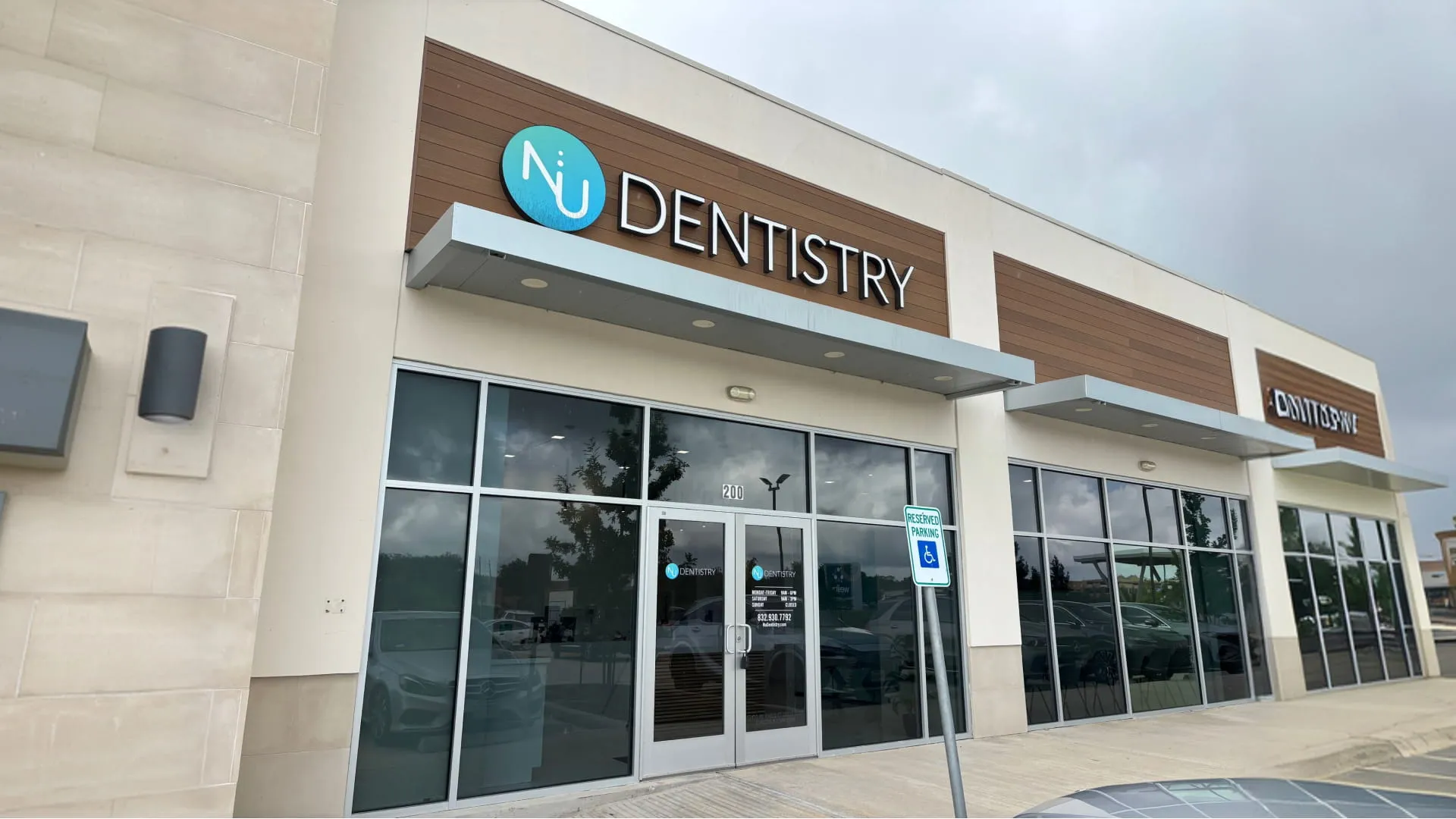
Nu Dentistry Missouri serves patients throughout Missouri City and the Greater Houston area. Schedule a consultation to get a treatment recommendation built around your actual clinical picture, not a one-size-fits-all answer.
Medical disclaimer: This article is intended for informational purposes only and does not constitute professional dental or medical advice. Always consult a licensed dental provider for diagnosis and treatment recommendations specific to your situation.



Tuesday 9-6pm
Thursday 9-6pm
Friday 9-6pm
Saturday 9-3pm
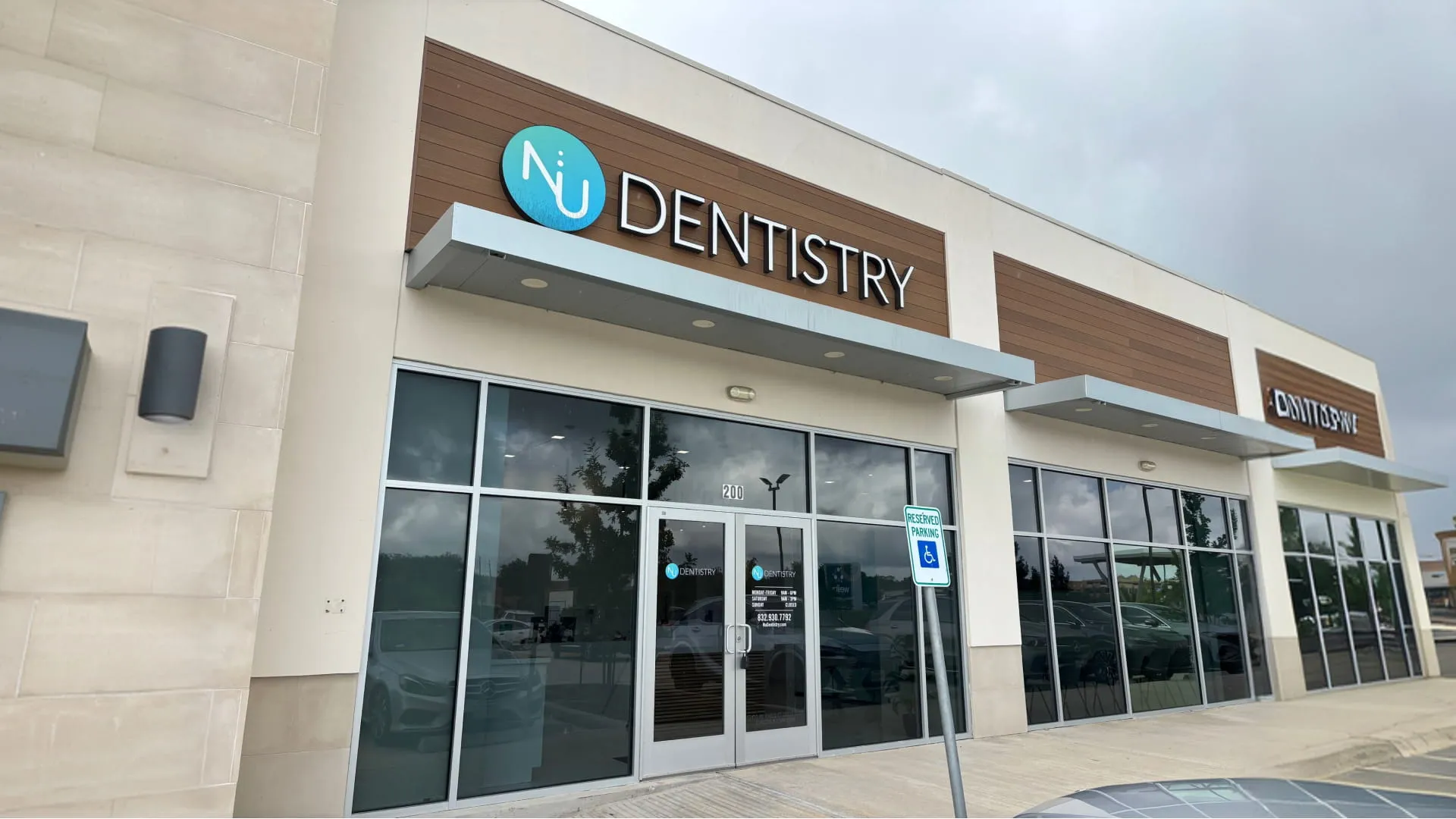
8145 Highway 6, Building B #200, Missouri City, TX 77459
5706 San Felipe St Ste B-300, Houston, TX 77057
23227 Gosling Rd., Suite B, Spring, TX 77389
8940 Barker Cypress Rd., Cypress, TX 77433
3201 N. Shepherd Dr. Suite 113, Houston, TX 77018
11115 W Grand Parkway S, Suite 140, Richmond, TX 77407
PATIENT TESTIMONIALS Missouri City, TX
What people are saying after visiting our dental office
CARING DENTISTS Missouri City, TX
OUR SOCIALS
Check us out and follow our accounts on the following social media platforms....